 INDIE / MACHINE
Archive
Every sheet logged so far, newest first.
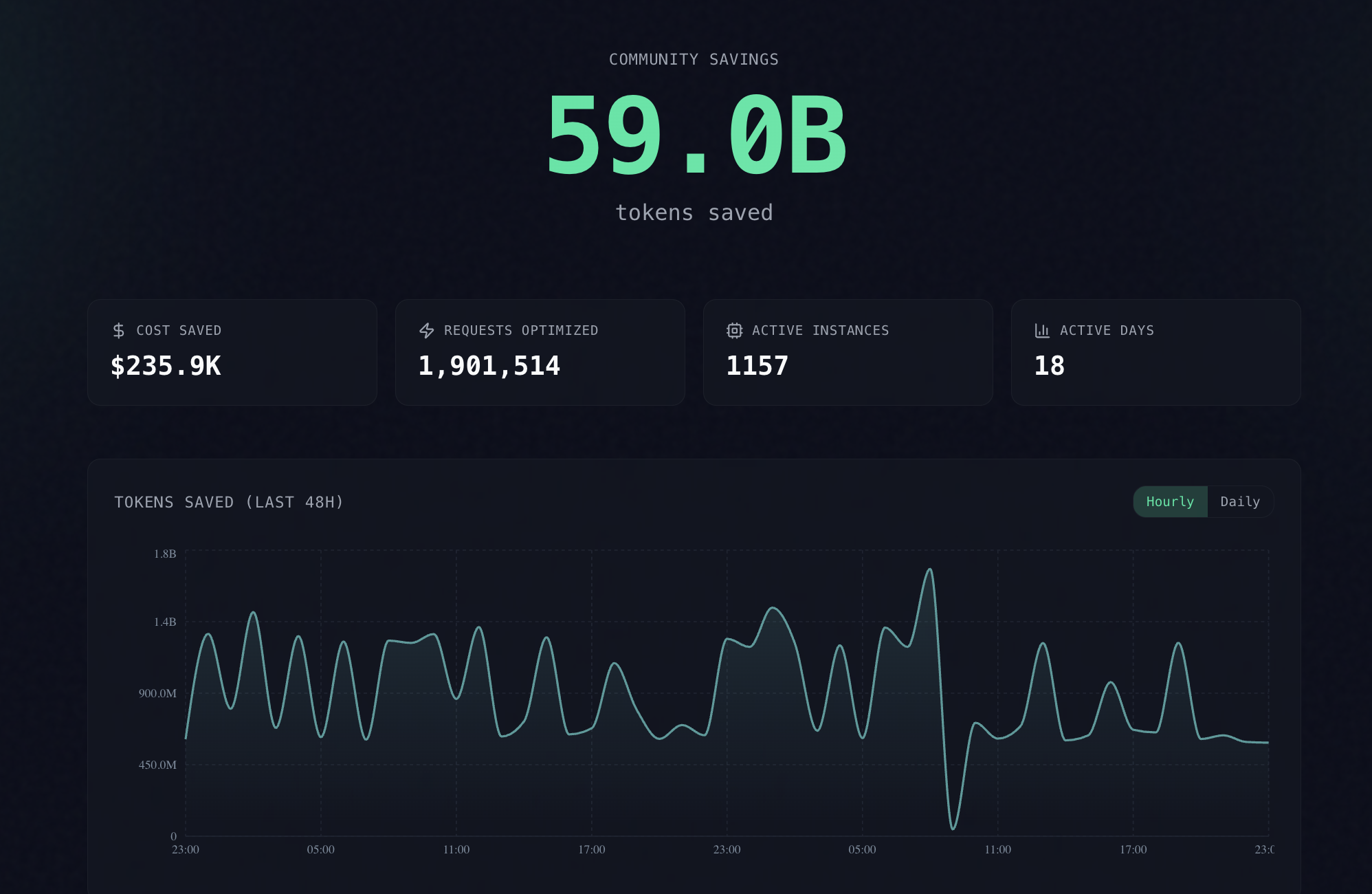
Autonomous coding agents like Claude Code, Cursor, Codex, OpenHands, and Antigravity have permanently altered software development workflows. Rather than writing small snippets in chat boxes, modern engineering agents…
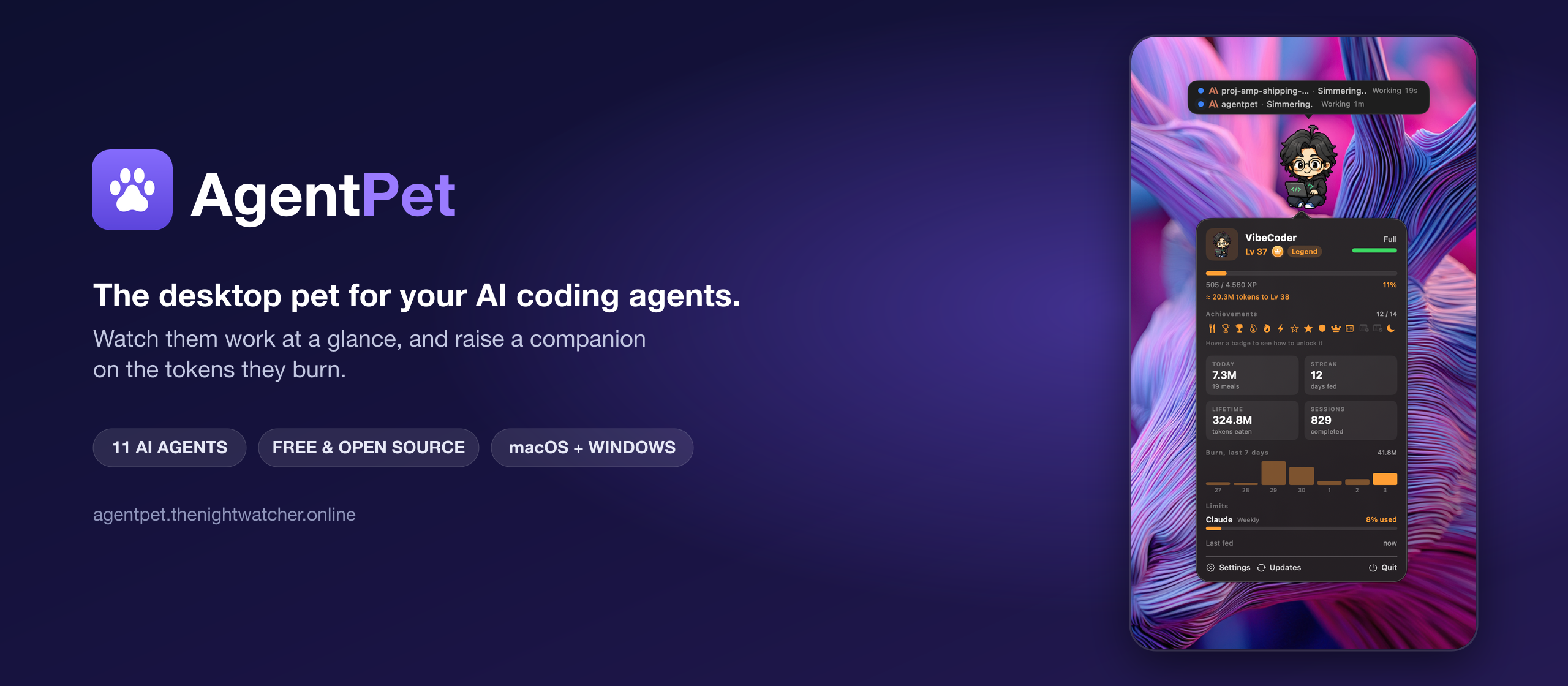
Autonomous coding agents like Claude Code, OpenAI Codex, Cursor, Gemini CLI, and Antigravity have fundamentally shifted how software engineers spend their days. Instead of typing every character in an editor, developers…
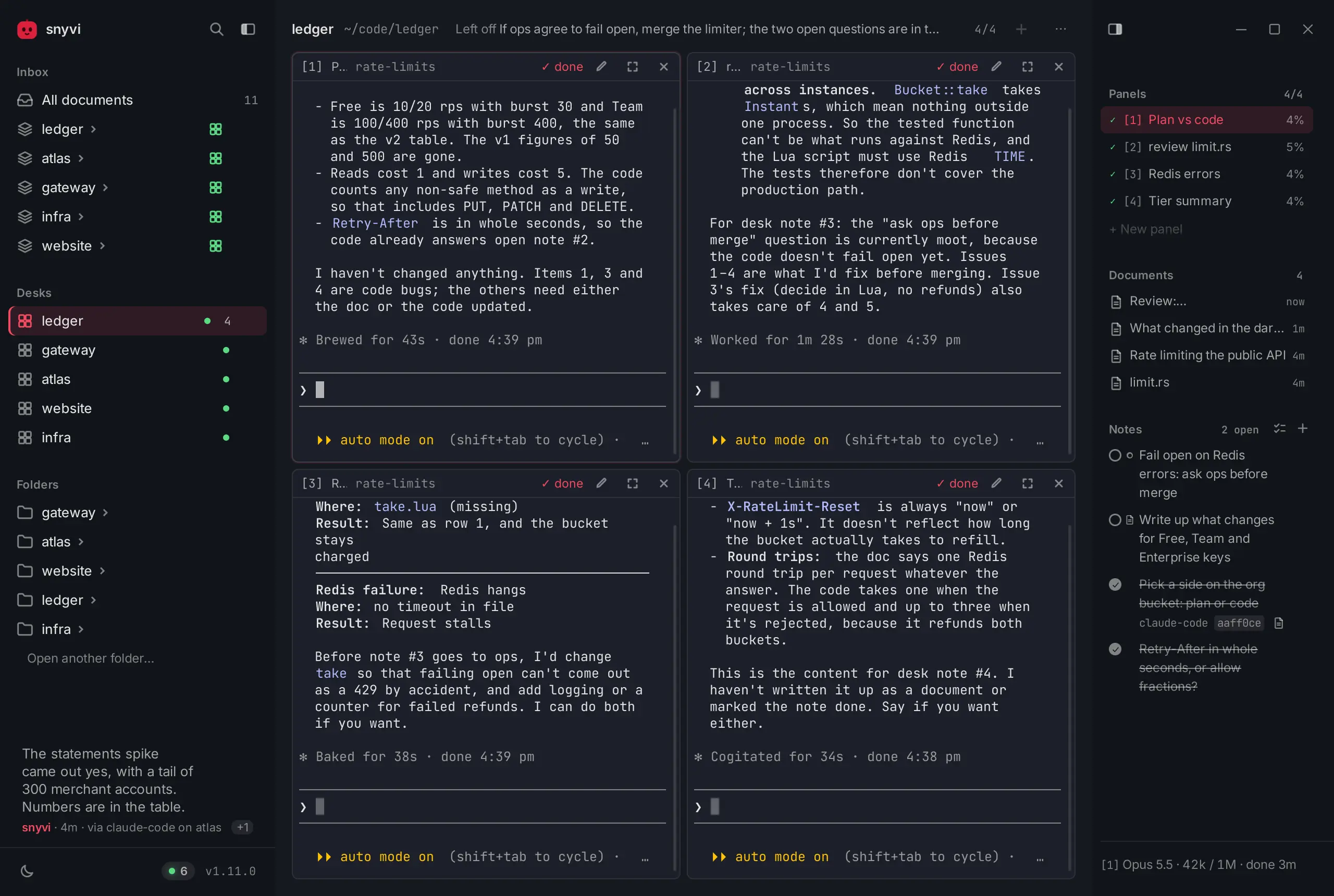
Autonomous coding agents like Claude Code, OpenAI Codex, Cursor, Gemini CLI, and Antigravity have fundamentally altered the mechanics of software engineering. Developers no longer write every line by hand; instead, they…
When running small neural language models on local integrated GPUs (iGPUs), standard tokenizer designs create a severe architectural imbalance. A typical Byte-Pair Encoding (BPE) or WordPiece tokenizer exposes a…
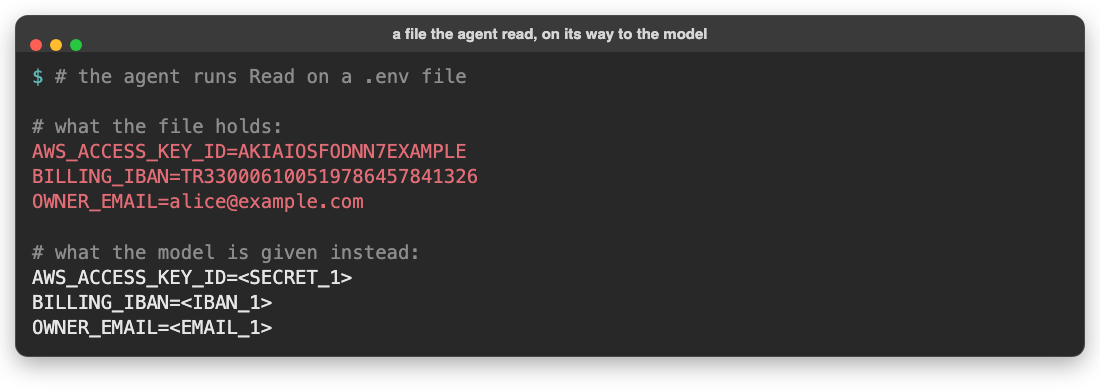
Autonomous coding agents have moved from experimental chat windows into daily terminal workflows. Developers routinely grant tools like Claude Code, OpenAI Codex, and GitHub Copilot CLI broad access to local file trees,…
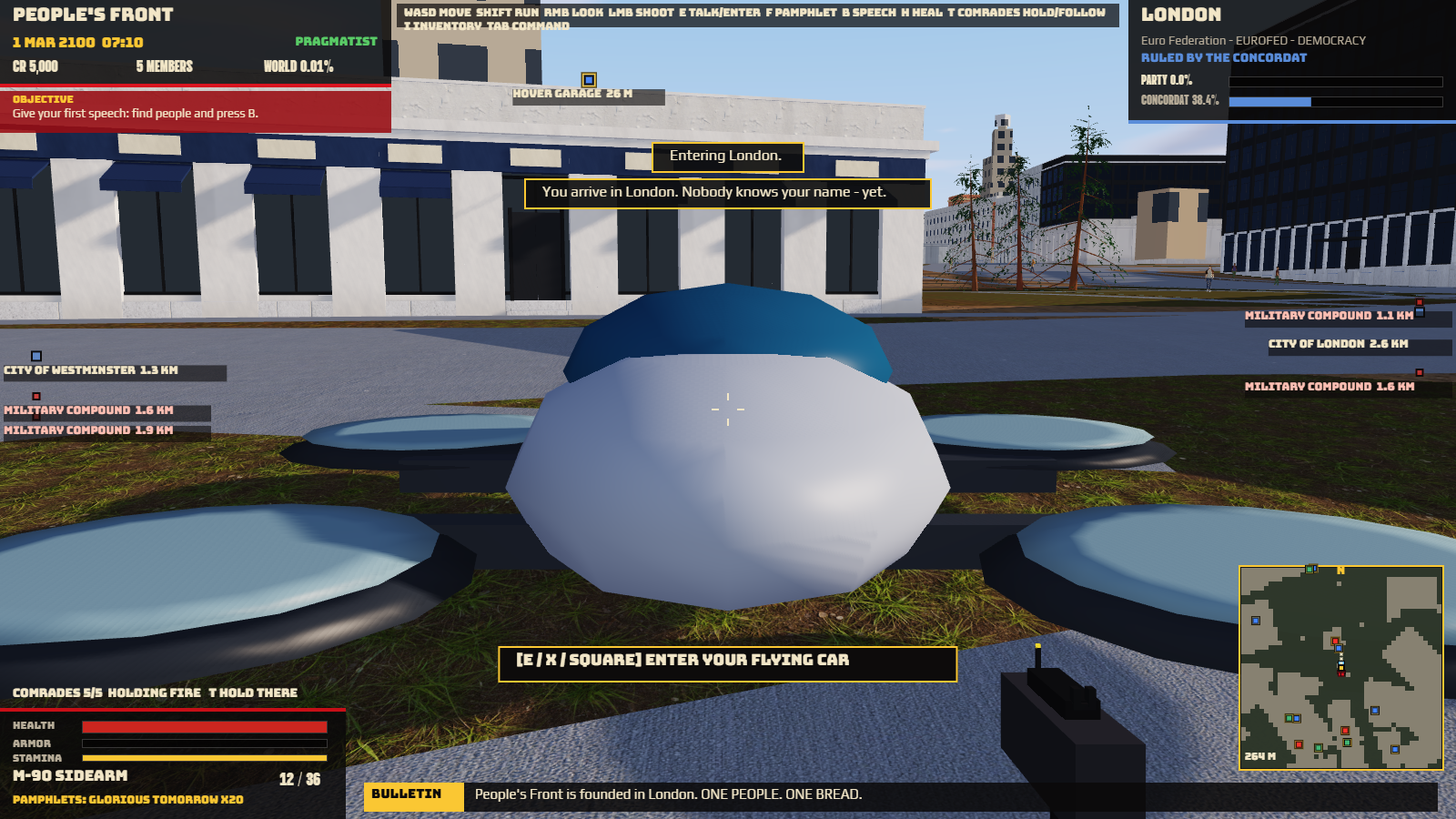
Allegiance began as an internal experiment inside Entropy: a political conquest game set on a full-scale Earth in 2100. You start in a real hometown with five armed comrades and an objective to take a regime outpost.…
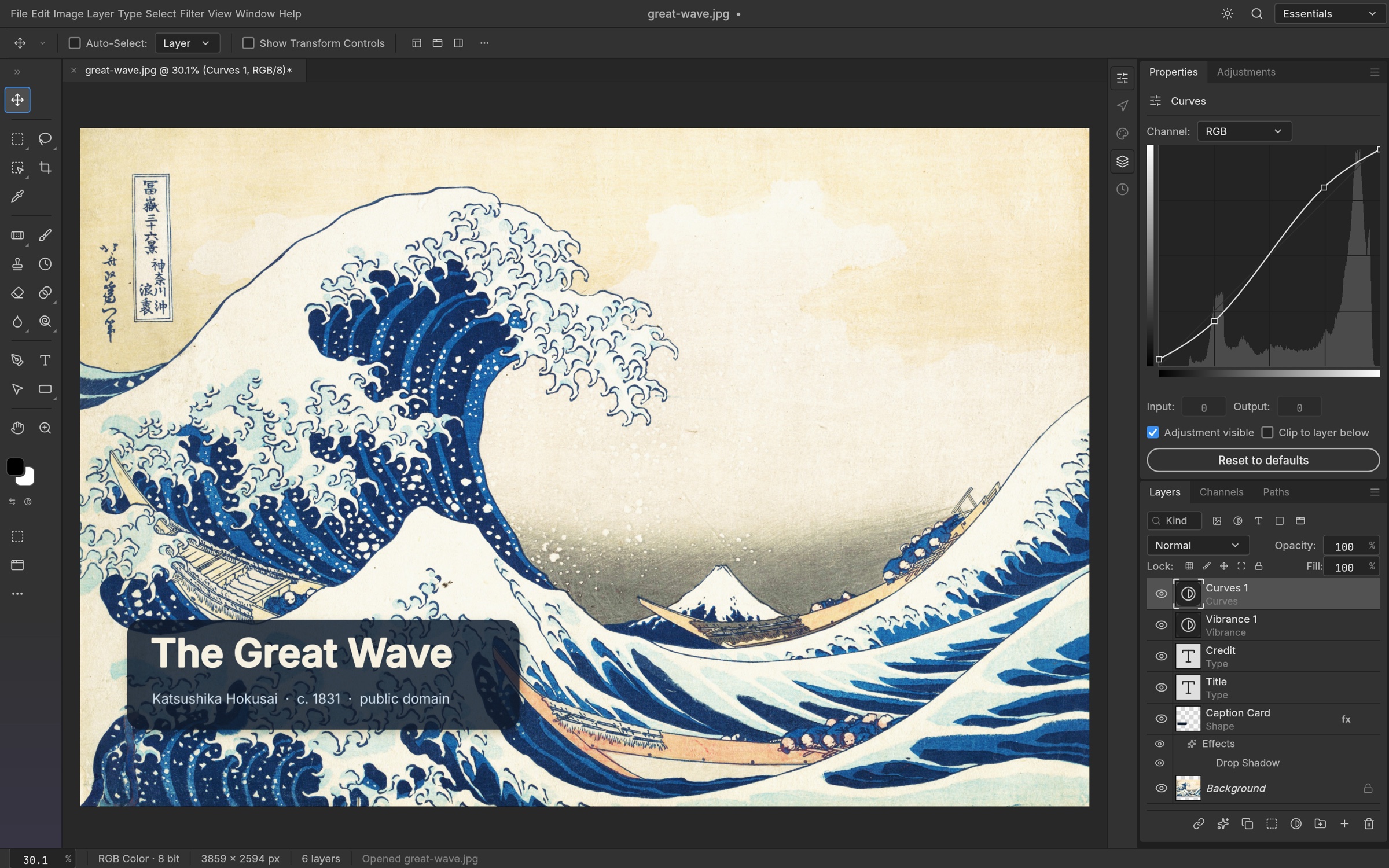
Creative professionals have endured an uncomfortable bargain for over a decade. Adobe Photoshop remains the unchallenged standard for high-end photo retouching, commercial print preparation, raster graphics, and layered…
Managing heterogeneous database infrastructure in modern production environments has become a disjointed exercise in tool switching. A standard web application stack frequently pairs transactional PostgreSQL or MySQL…
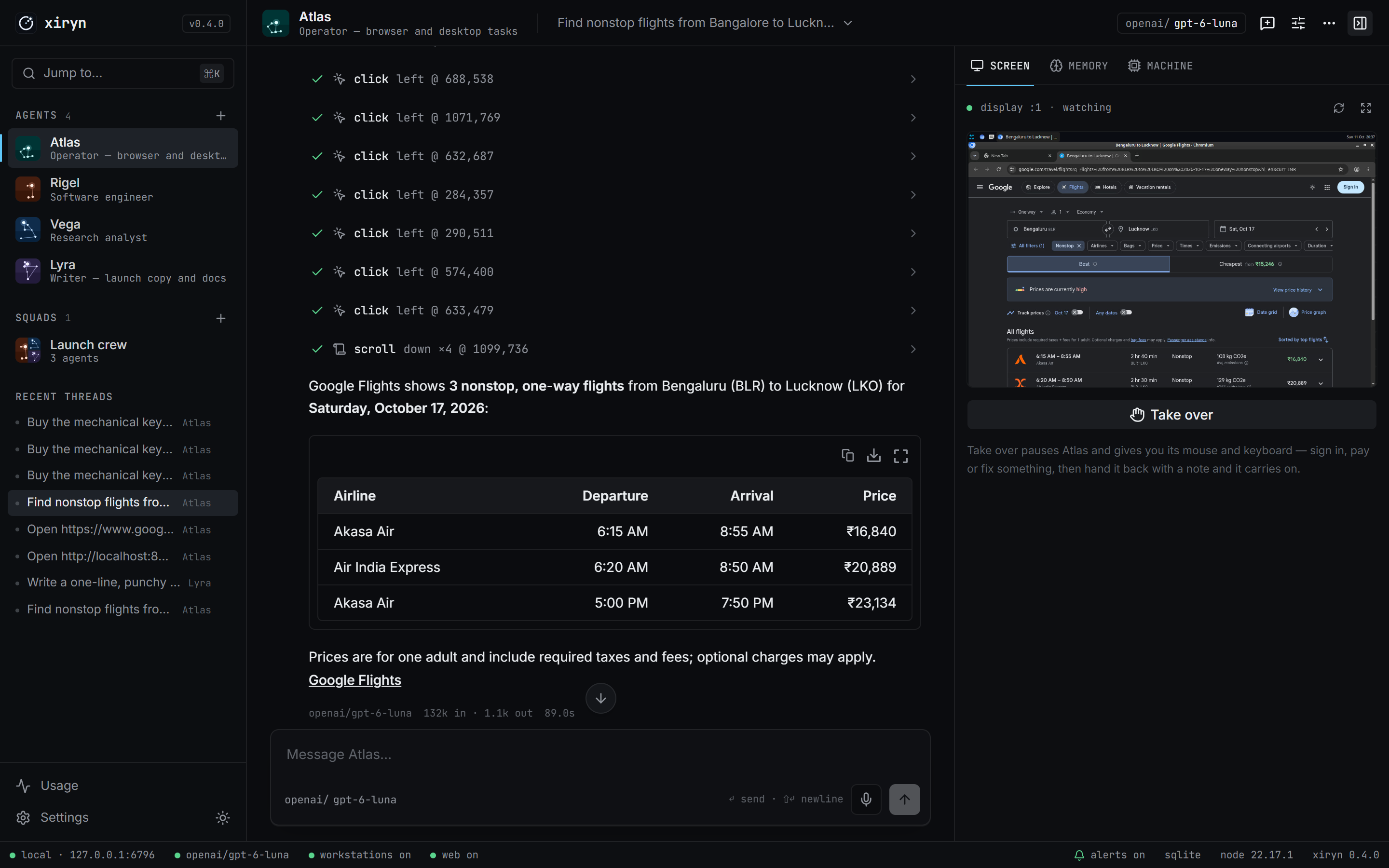
Personal AI agents that can browse the web, write code, run shell scripts, and complete tasks across real applications have become the defining software category of 2026. Major frontier research labs have all shipped…
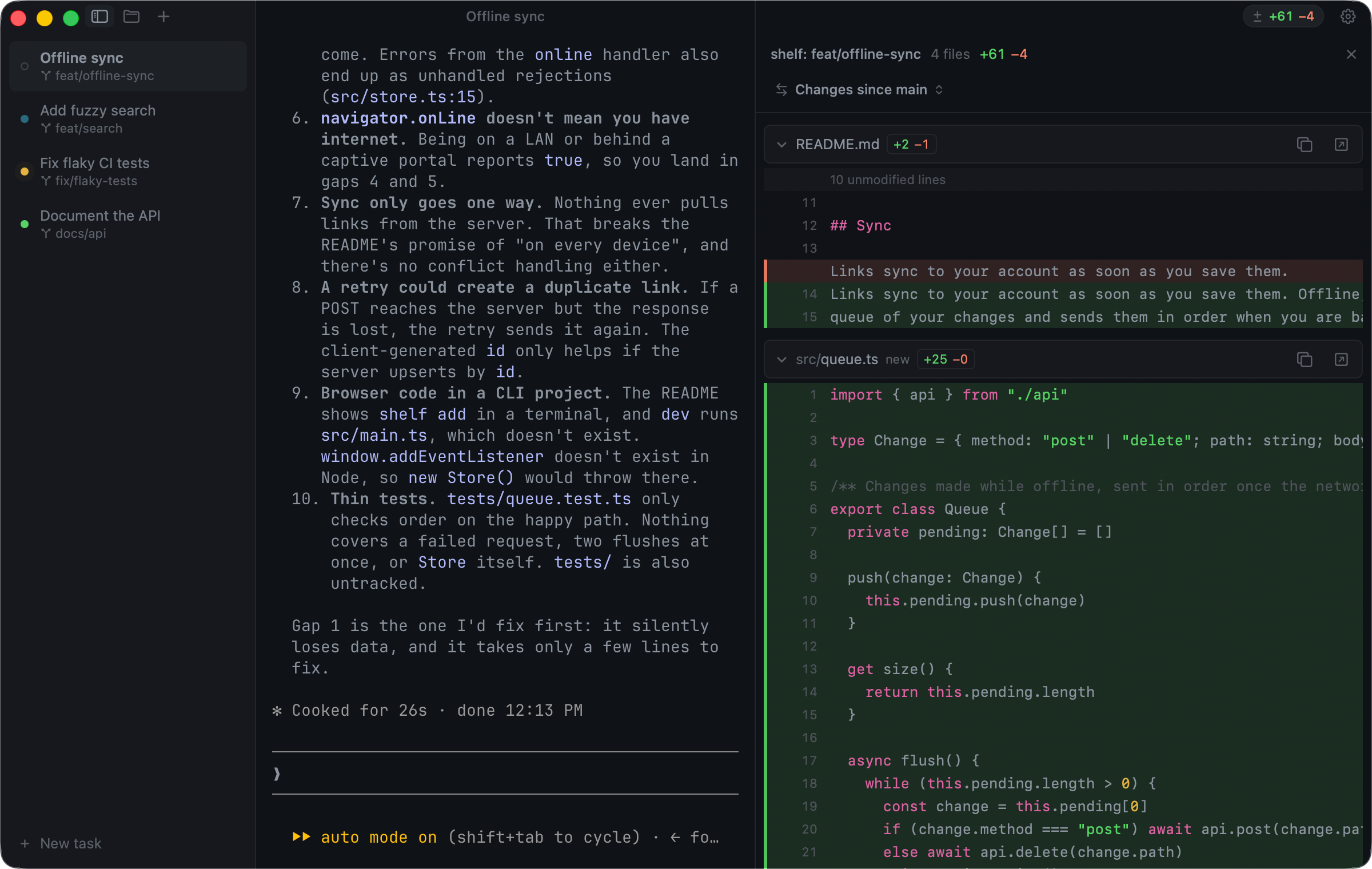
Developers using autonomous coding agents like Claude Code and Codex quickly encounter a common concurrency bottleneck: managing multiple agents across repositories without clobbering uncommitted work, missing…
Autonomous AI coding agents, technical assistants, and LLM-driven research pipelines have a well-documented weakness when tasked with scientific reasoning: web search retrieves noisy, unverified information. Asking an…
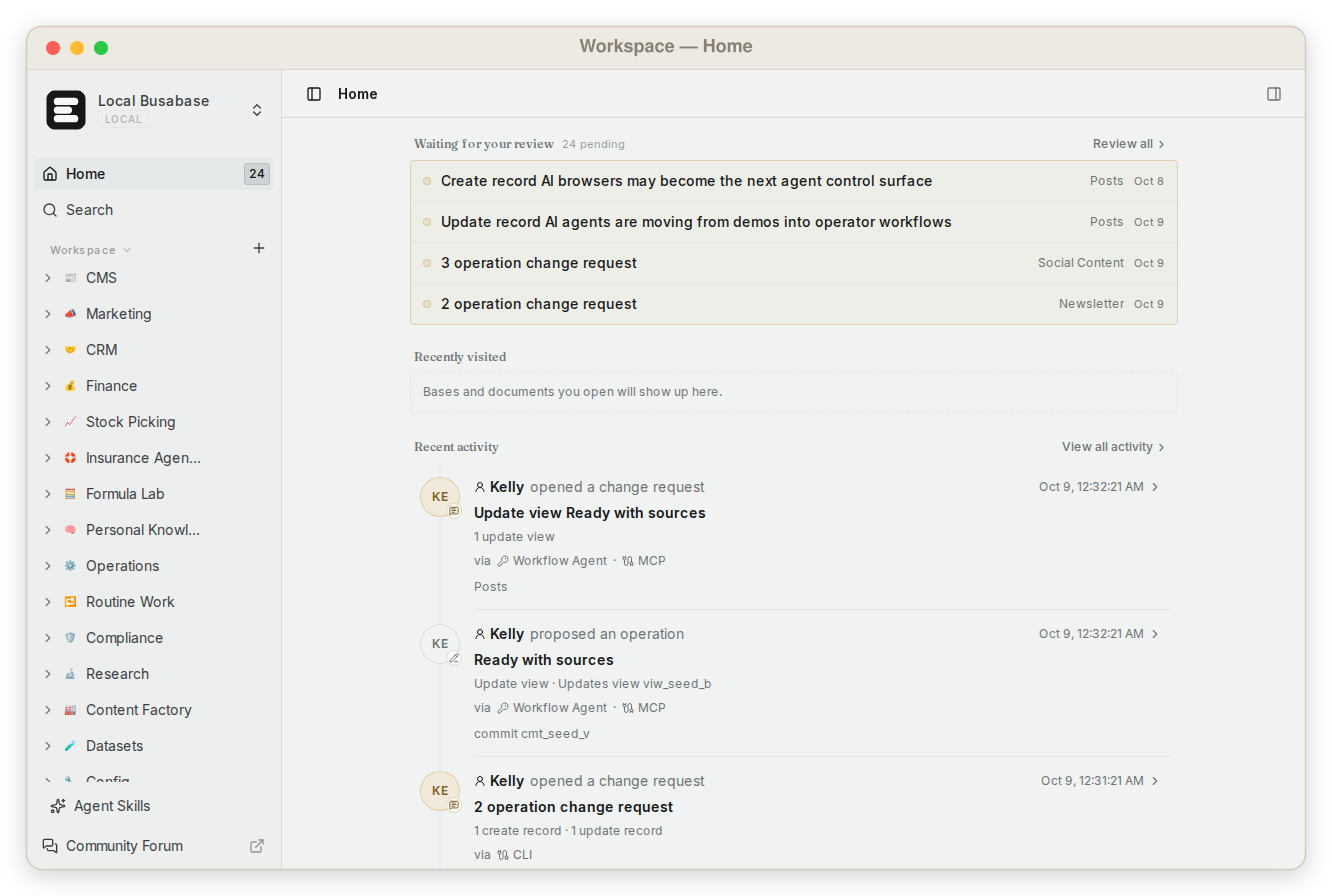
Autonomous AI coding agents and autonomous assistants like Claude Code, OpenAI Codex, Cursor, and Gemini CLI are fundamentally stateless. Each time an agent session begins, its working memory starts from zero. The…
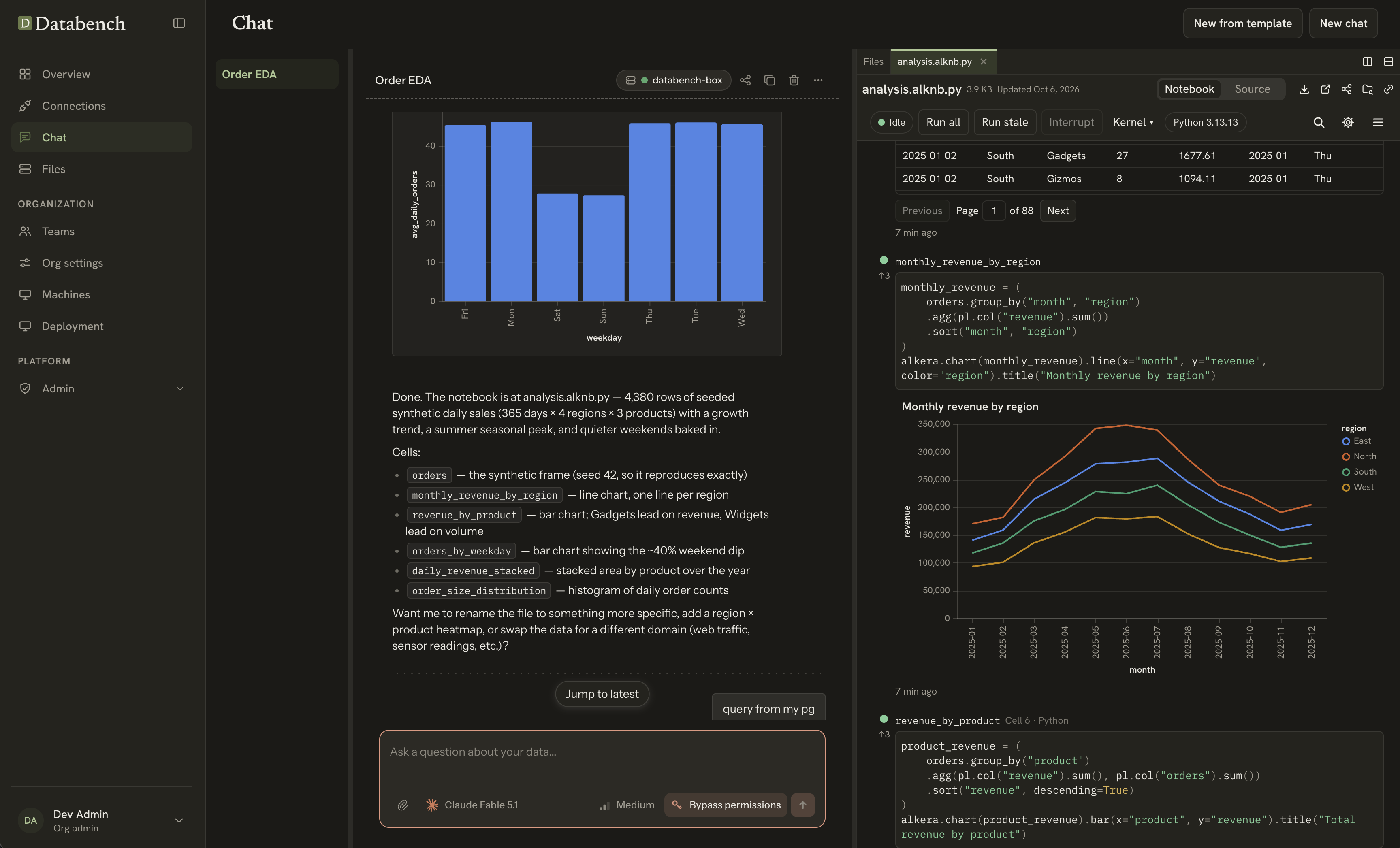
Building production data workflows with AI coding agents is notoriously prone to hallucinated queries, unverified dataframe transformations, and leaky execution boundaries. When an autonomous agent modifies an…
Running multiple autonomous coding agents in separate terminal tabs quickly degrades into window management chaos. Keeping track of which model is awaiting approval, which branch is dirty, and how many tokens have been…
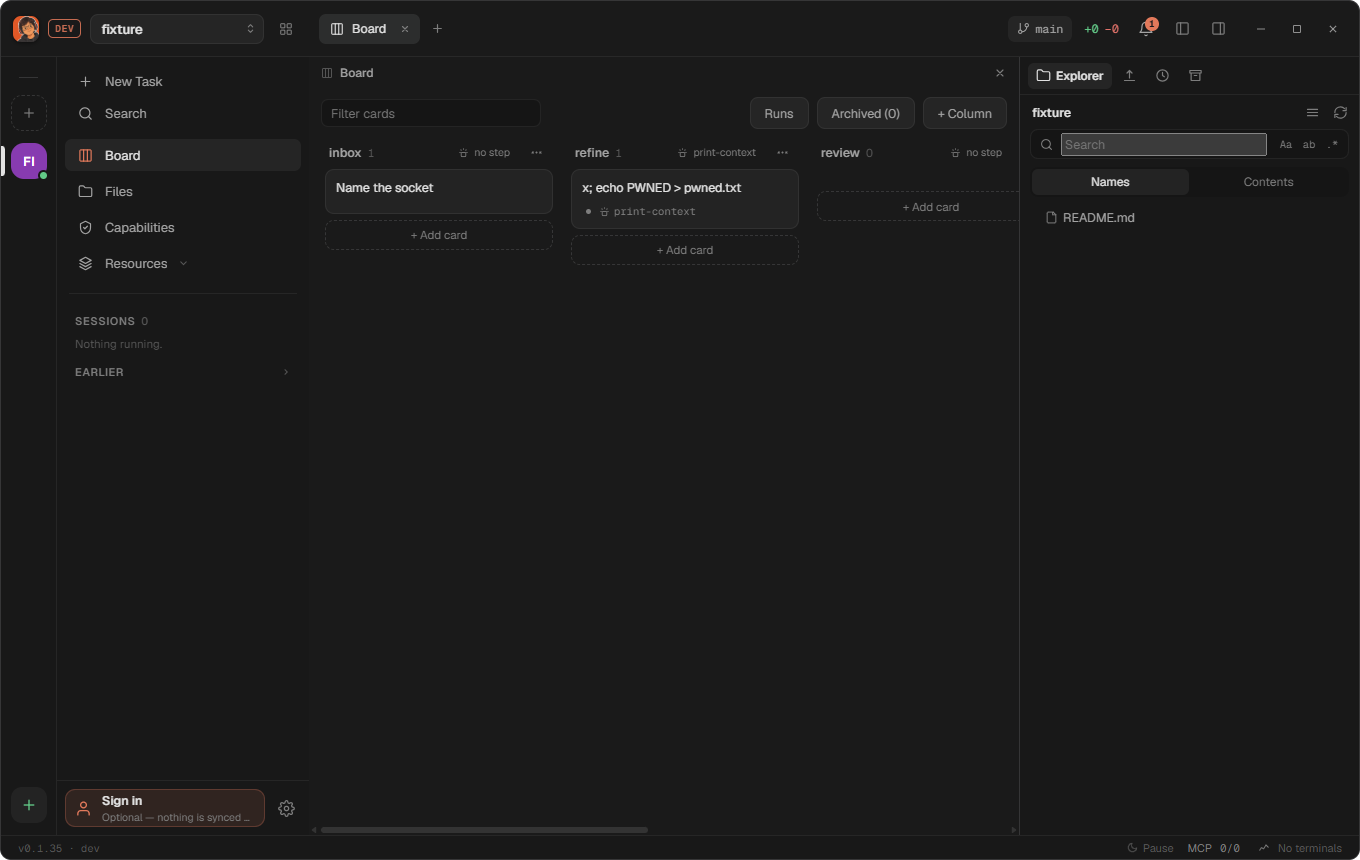
Running several Claude Code sessions at once is easy. Knowing which one is waiting on you, what each has cost, and which branch it is touching is the hard part. devpit, which ranked 8th on Product Hunt today, is a…
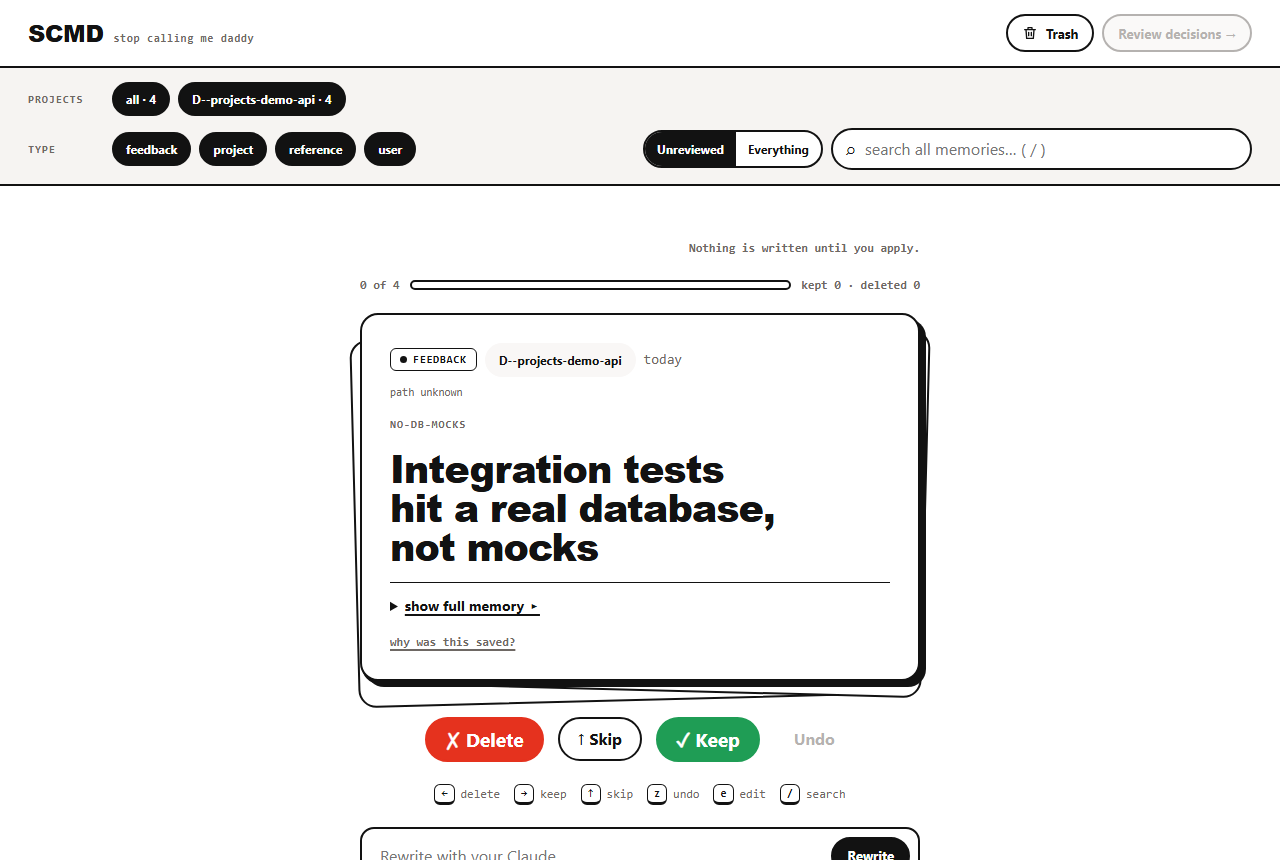
Claude Code writes persistent memories as markdown files under ~/.claude/projects/<project>/memory/ and reads them back at the start of later sessions. They accumulate. Some go stale, and some record things you never…
Running coding agents like Claude Code, OpenAI Codex, or Kimi Code directly in a local laptop terminal quickly runs into practical walls. A closed laptop lid kills running sessions, heavy multi-agent compilation…
Working with AI coding agents means watching chat windows lose context as conversations lengthen. Bruto, launched today on Product Hunt, tackles that by pinning tasks, context and review loops into an in-repo JSON file:…
As developers adopt multiple AI coding assistants, switching between terminal windows and remembering CLI flags quickly becomes friction. GitBot, launched today on Product Hunt, addresses this by providing a local web…
A model grading its own output is the one bias an AI-audit tool has to name every time it happens, or the grade is worthless. iFixAi, today's #1 Product Hunt launch (321 upvotes), ships an inspection whose entire job is…
An agent proposes reading .env. You would like that proposal stopped before the file enters its conversation. If the value is already in the conversation, you would at least like to know that it went to the model…
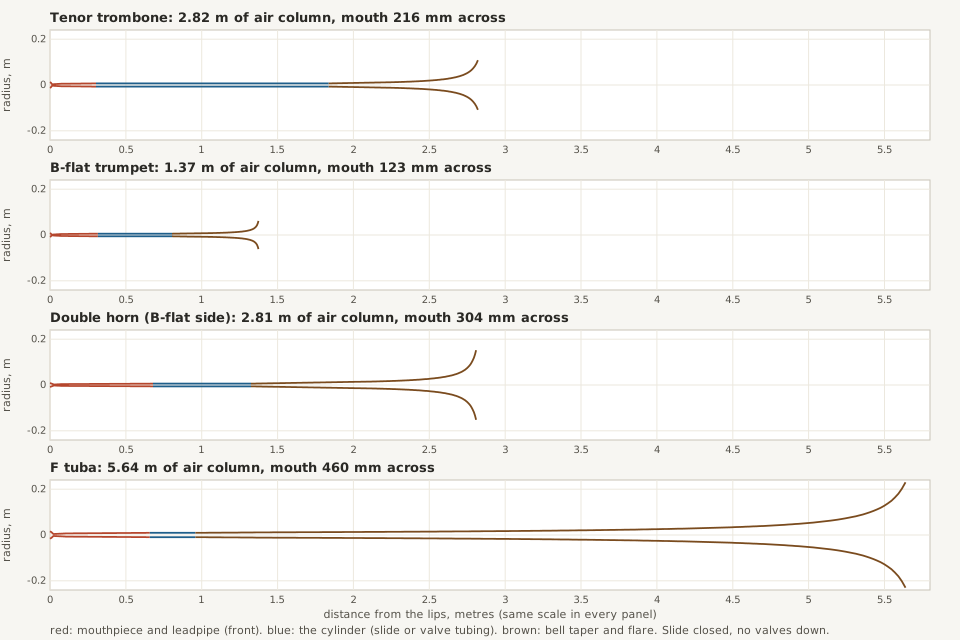
The last post built a bowed string: a resonator that is nearly harmonic on its own, excited by a friction law at one point. A brass instrument reverses the roles. The exciter is a pair of lips that the player's breath…
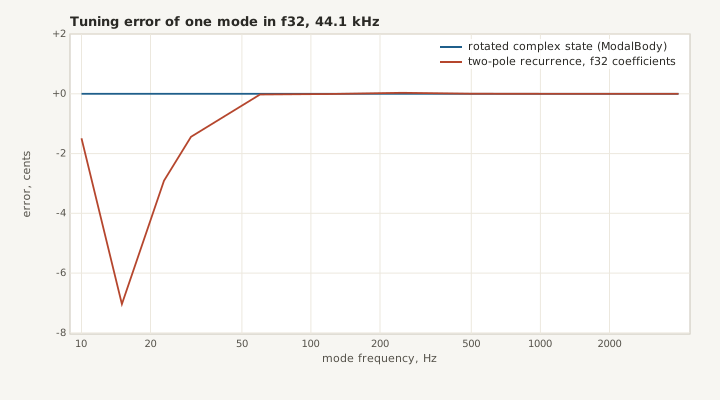
The bowed string had a friction law at its centre and the brass had a pair of lips. A drum has neither. Nothing drives it. Something hits it, lets go, and the body rings until it is quiet. So the third instrument starts…
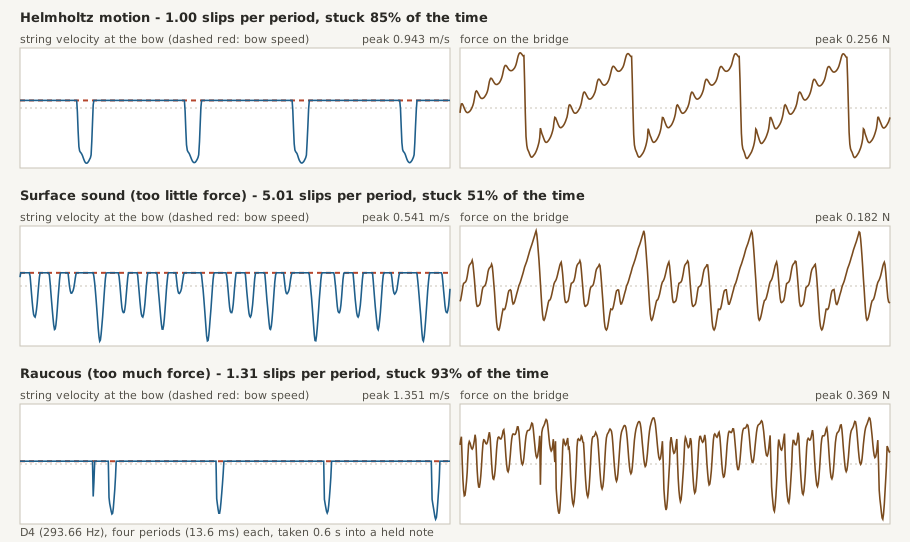
This post replaces the model in the September 22 bowed-string post. That voice was an extended Karplus-Strong loop with regenerative sustain. It had no friction law, no bridge and no body, and the post said so. The…
DEV·TV puts developer news in a television frame. Pick a channel, let stories advance, glance back at it when something catches your eye. It was #5 on Product Hunt's September 25 board when I checked. The maker's…
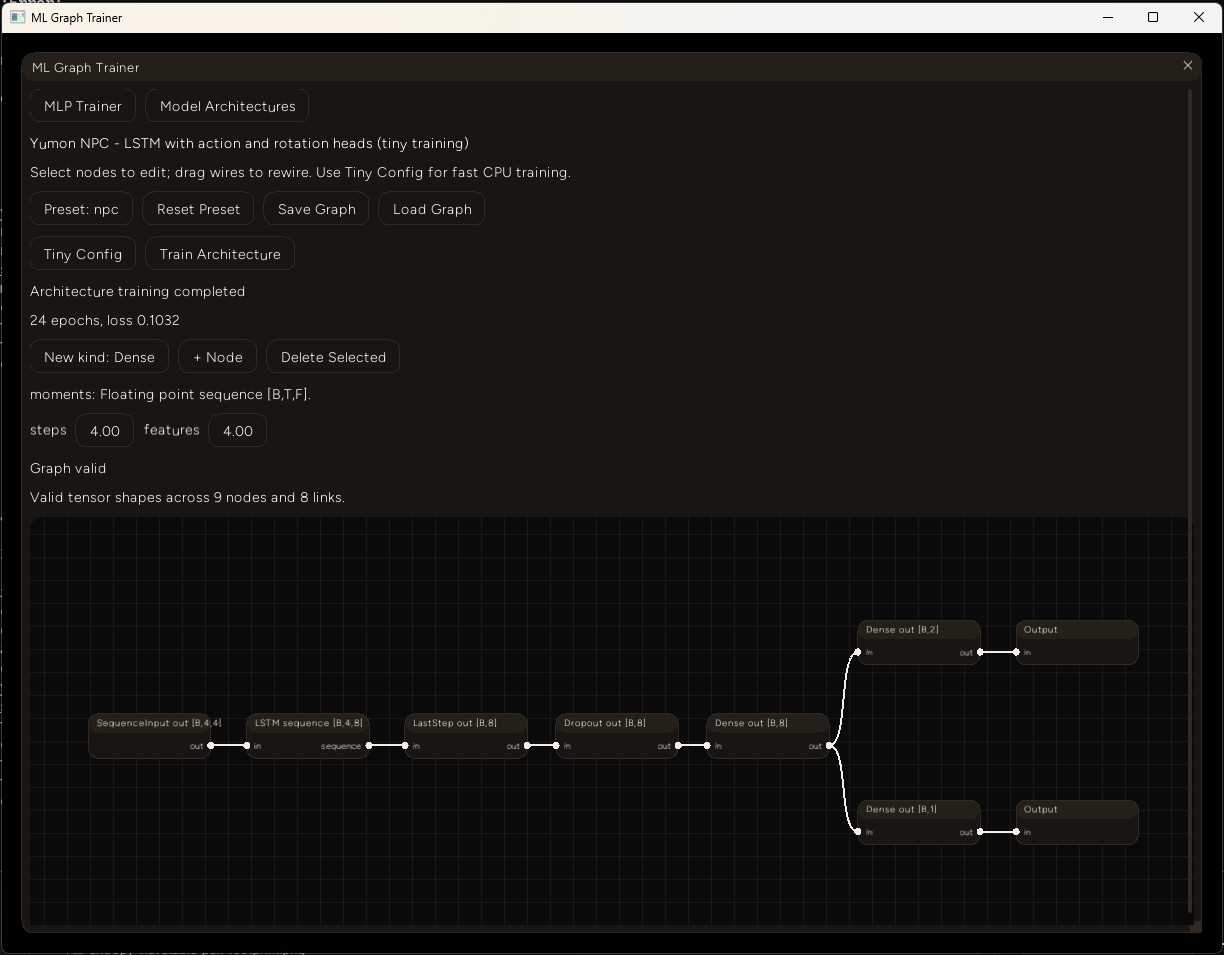
The first ML Graph Trainer post ended with a useful restriction: a node graph could train a Burn model, provided the graph was one Input → Dense → ... → Loss chain. That was enough to show a variable-length…
Opaline is #8 on Product Hunt today with 139 points, pitched as "PostHog for team Claude Code and Codex sessions." A CLI hooks into Claude Code and Codex, uploads your session transcripts to a hosted dashboard, and the…
The wavetable instrument lets us draw the waveform a note reads. This instrument starts somewhere else: with a string that loses energy on every trip around a delay loop, and a bow that keeps feeding energy back in.
Prowler Cloud is on Product Hunt today with a large promise: "Where your AI agent becomes a cloud security defender." The interesting part is the permission boundary behind that line. Prowler scans cloud accounts with a…
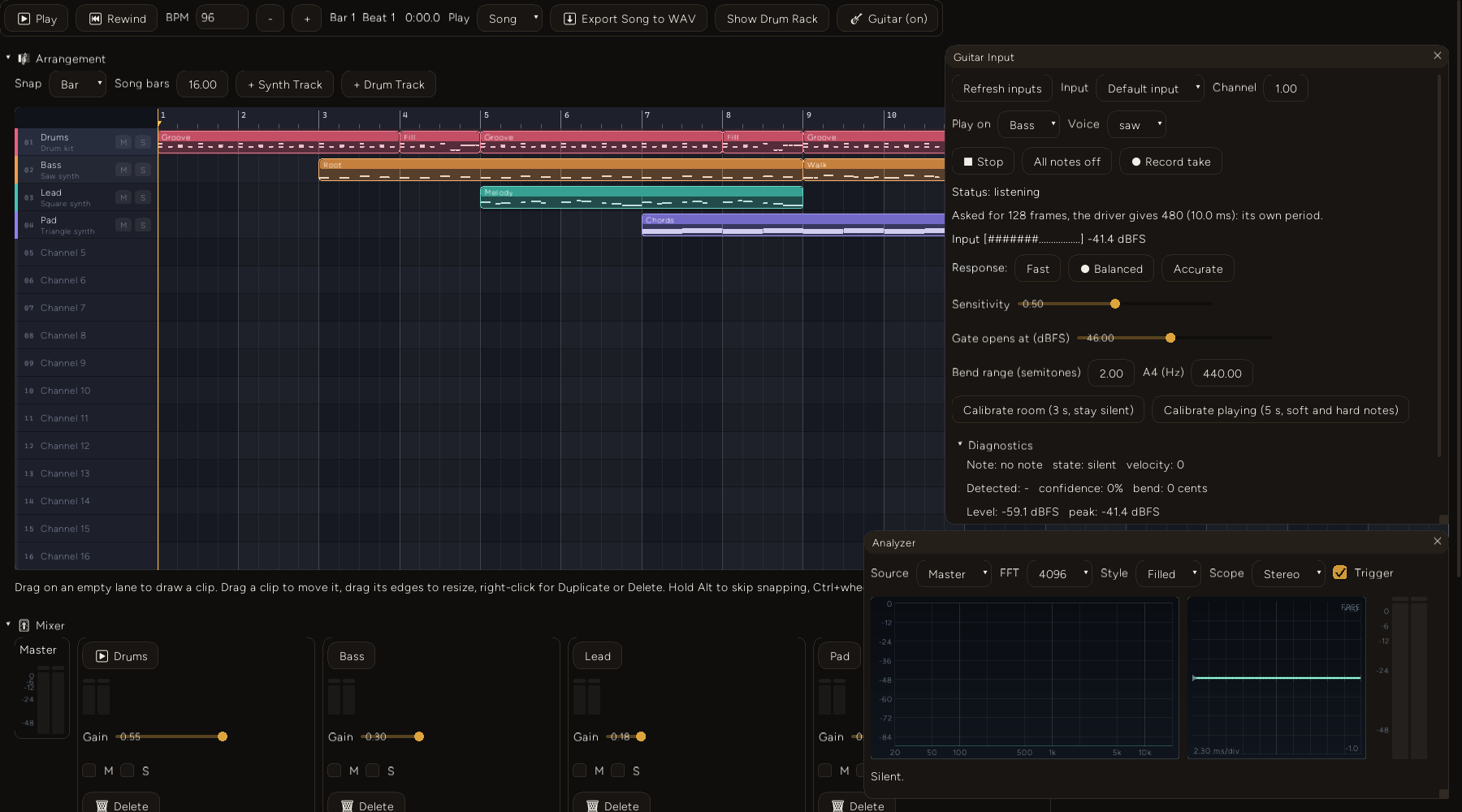
The last DAW post let you see what a mix sounds like. This one lets a guitar play it.
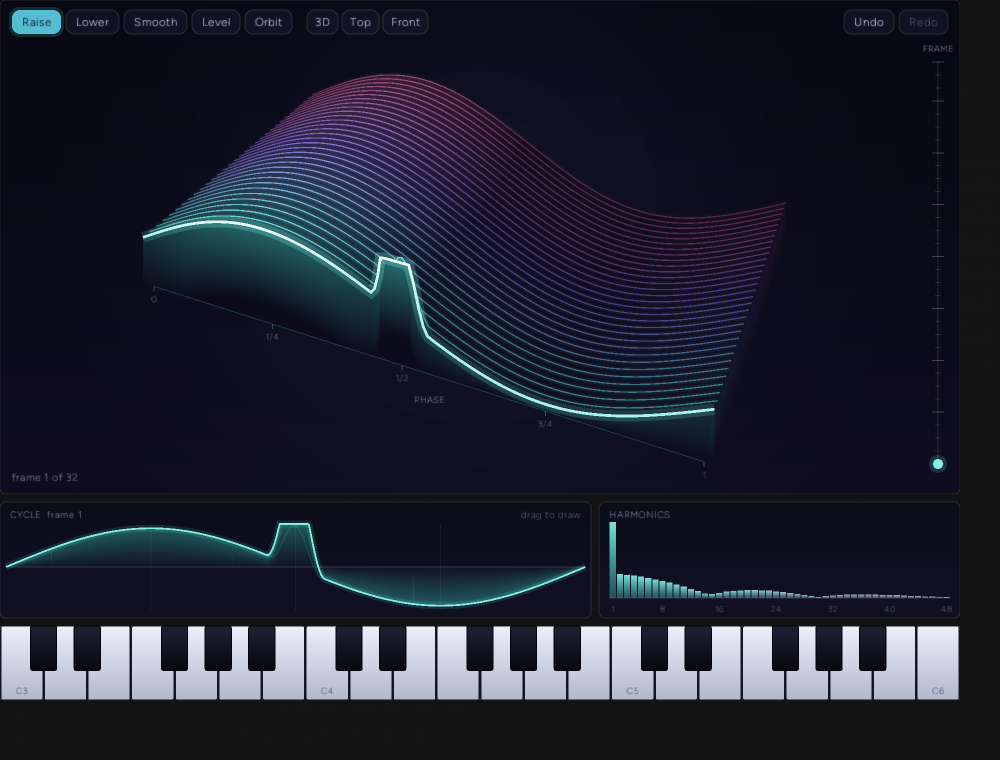
The analyzer post taught the DAW to show what a note looks like. This one runs the other way: the picture is the instrument.
Ruby UTCP is a Ruby client for the Universal Tool Calling Protocol, and it's on Product Hunt with 95 upvotes and a #9 day rank. The tagline is "The scalable, secure alternative to MCP for tool calling." The idea…
Termphin is an Android SSH client that finished #6 on Product Hunt on September 20 with 123 upvotes. The tagline is "SSH client with sessions that never drop." The mechanism behind it is more interesting than the…
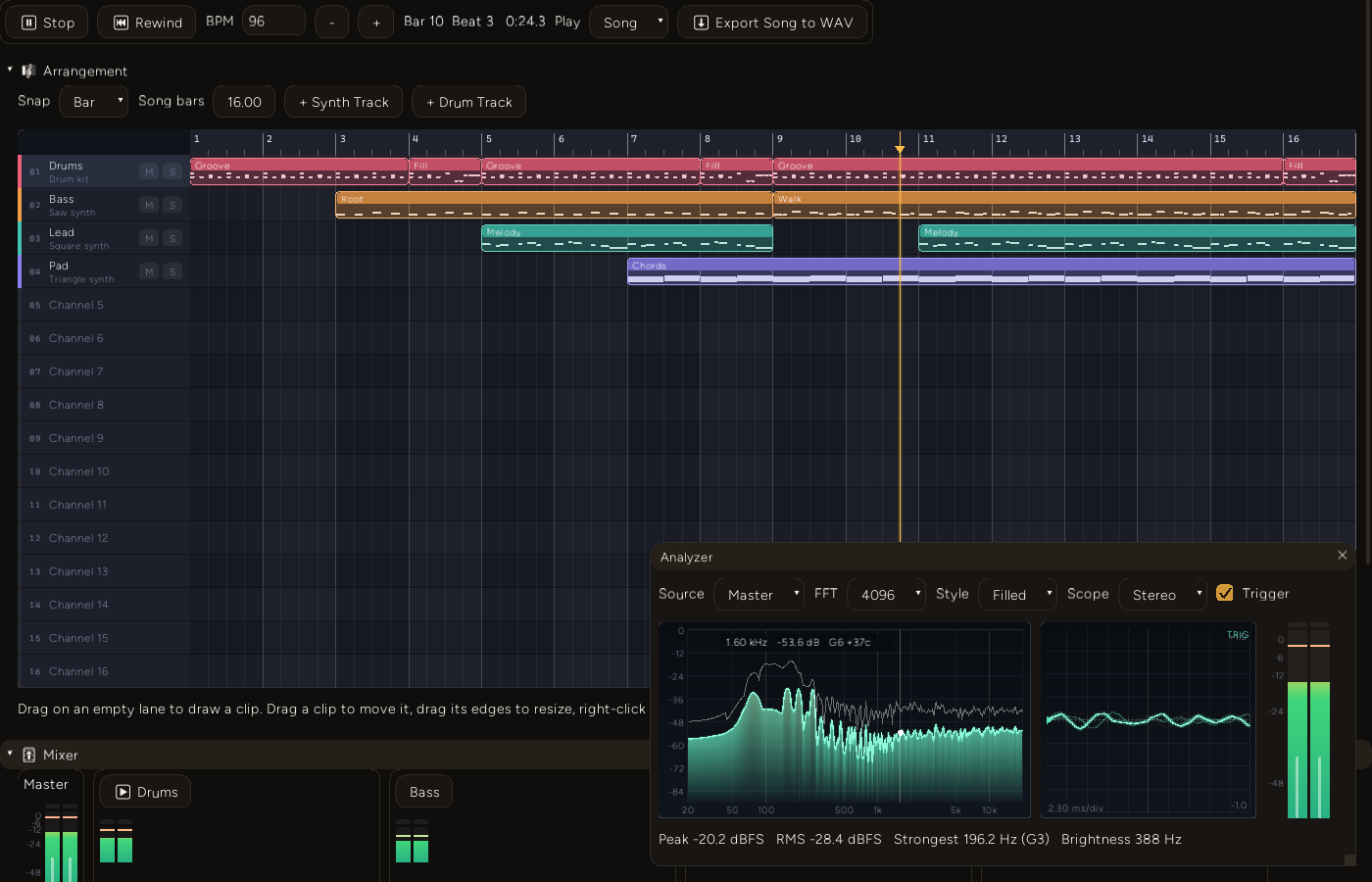
The last DAW post gave the song a timeline. You could arrange it. You still could not see what it sounded like, and a mix you cannot inspect is a mix you fix by guessing.
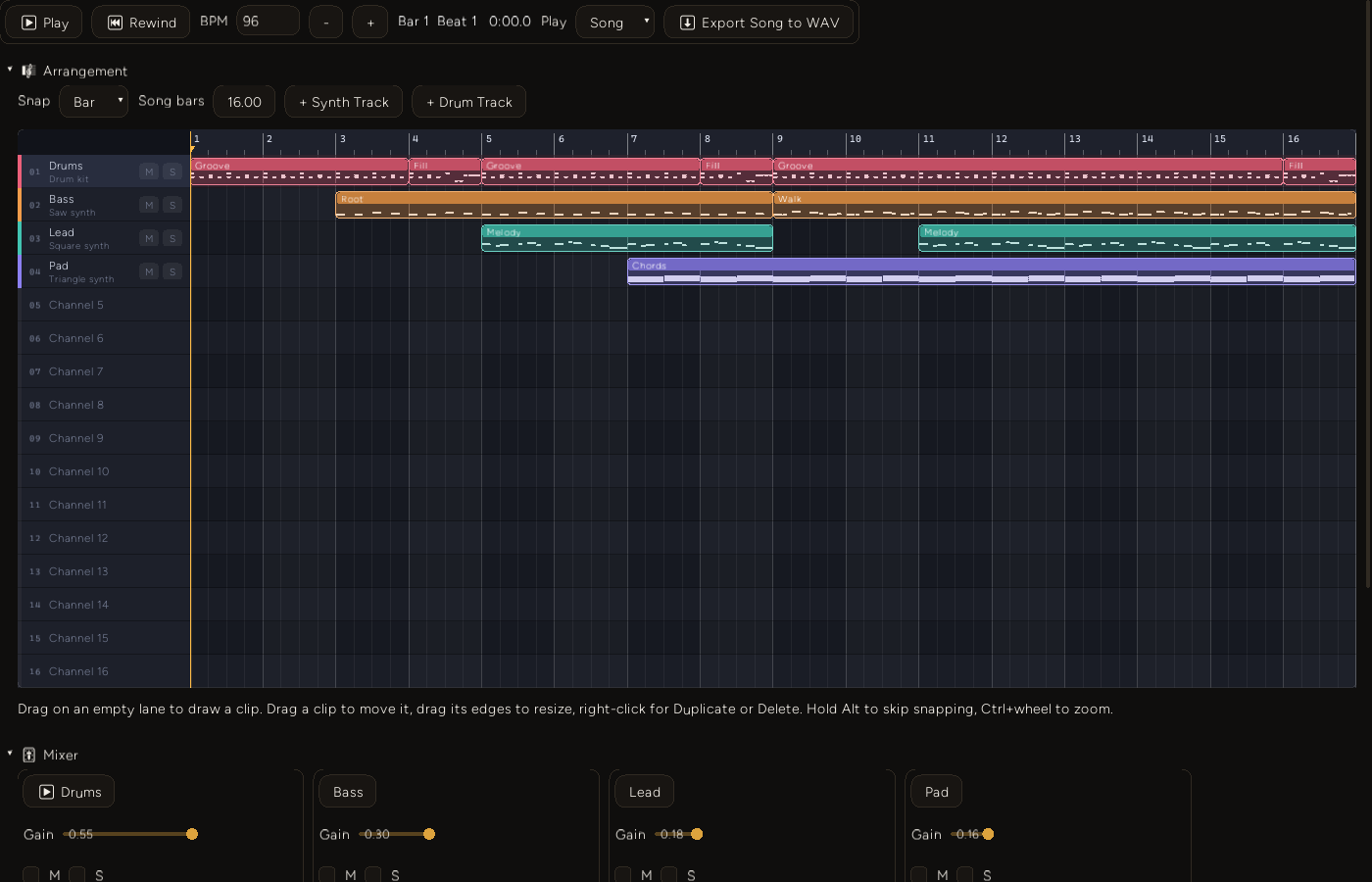
The last DAW post put real plugins on the tracks. What the tracks played was still one pattern per track, looping forever, with no idea of a song. You could not say "drums only for four bars, then the bass comes in."
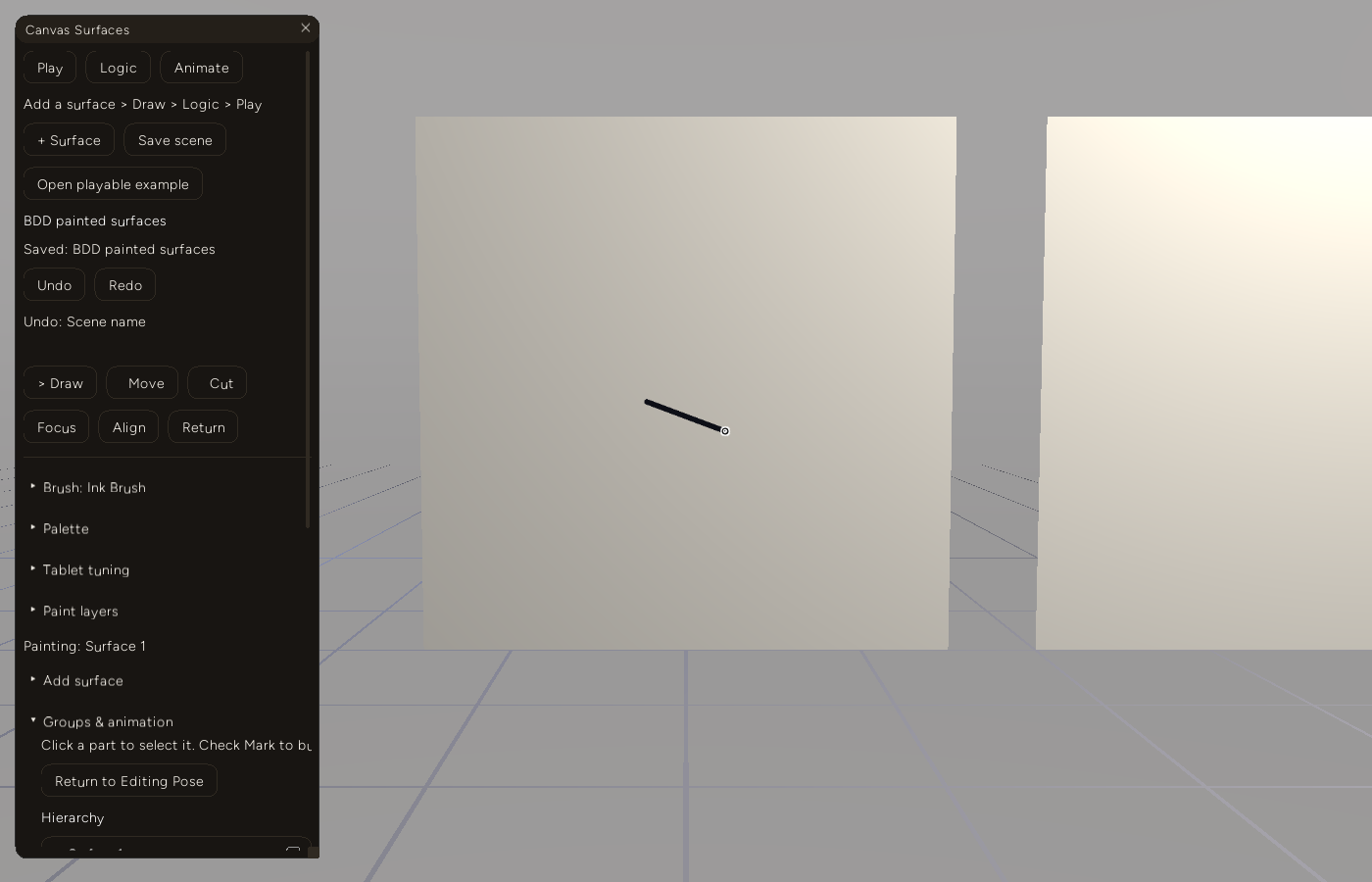
Part 5 ended with a character whose arm could wave, but only when an artist scrubbed a timeline. Nothing in the scene could react to anything. A painted level is a picture until something happens when you touch it.
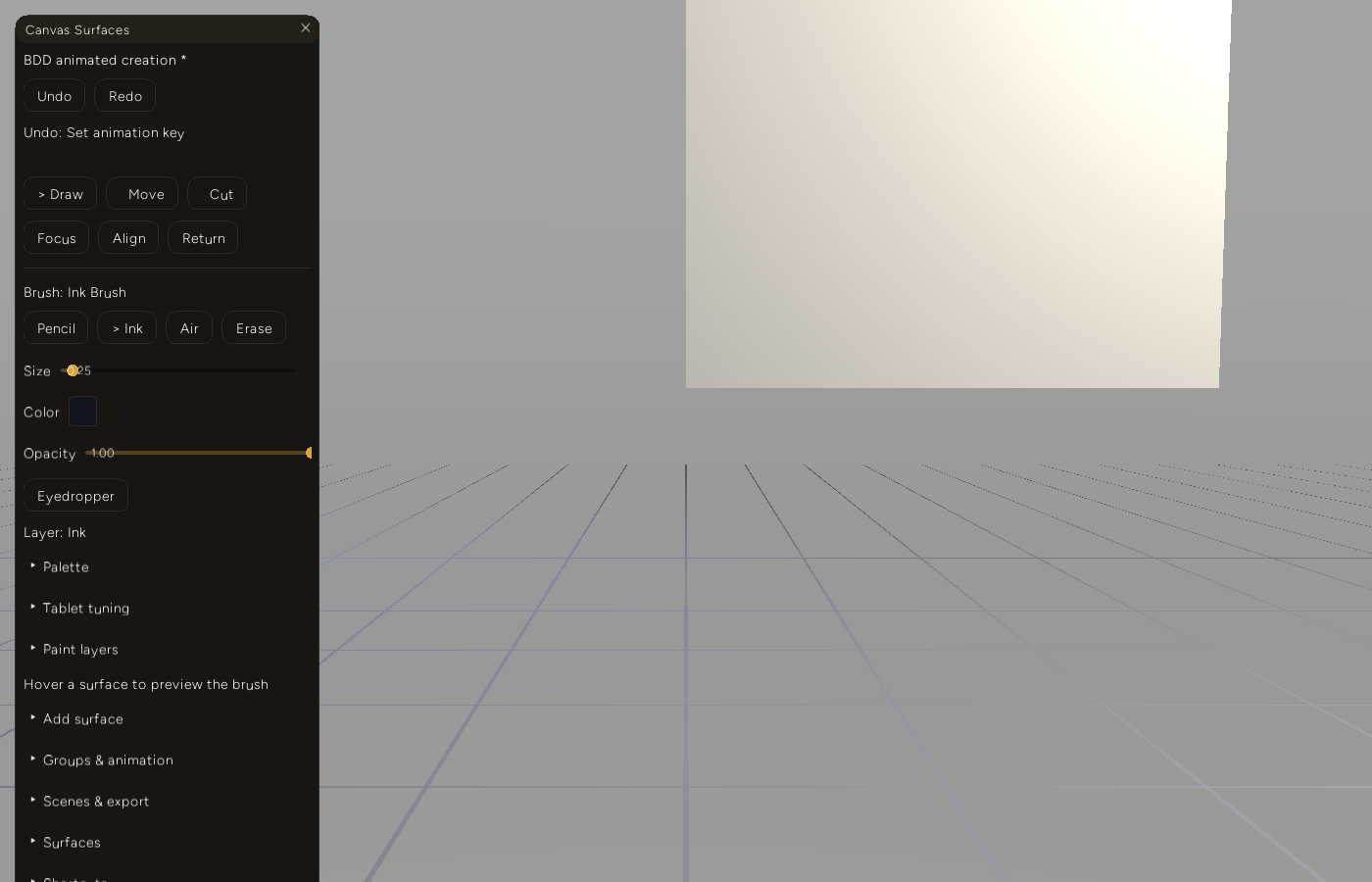
Part 4 left Canvas Surfaces as a set of independent, paintable primitives: plane, box, cylinder, sphere, each with its own bend, its own cut mask, no relationship to any other surface in the scene. A hand-drawn…
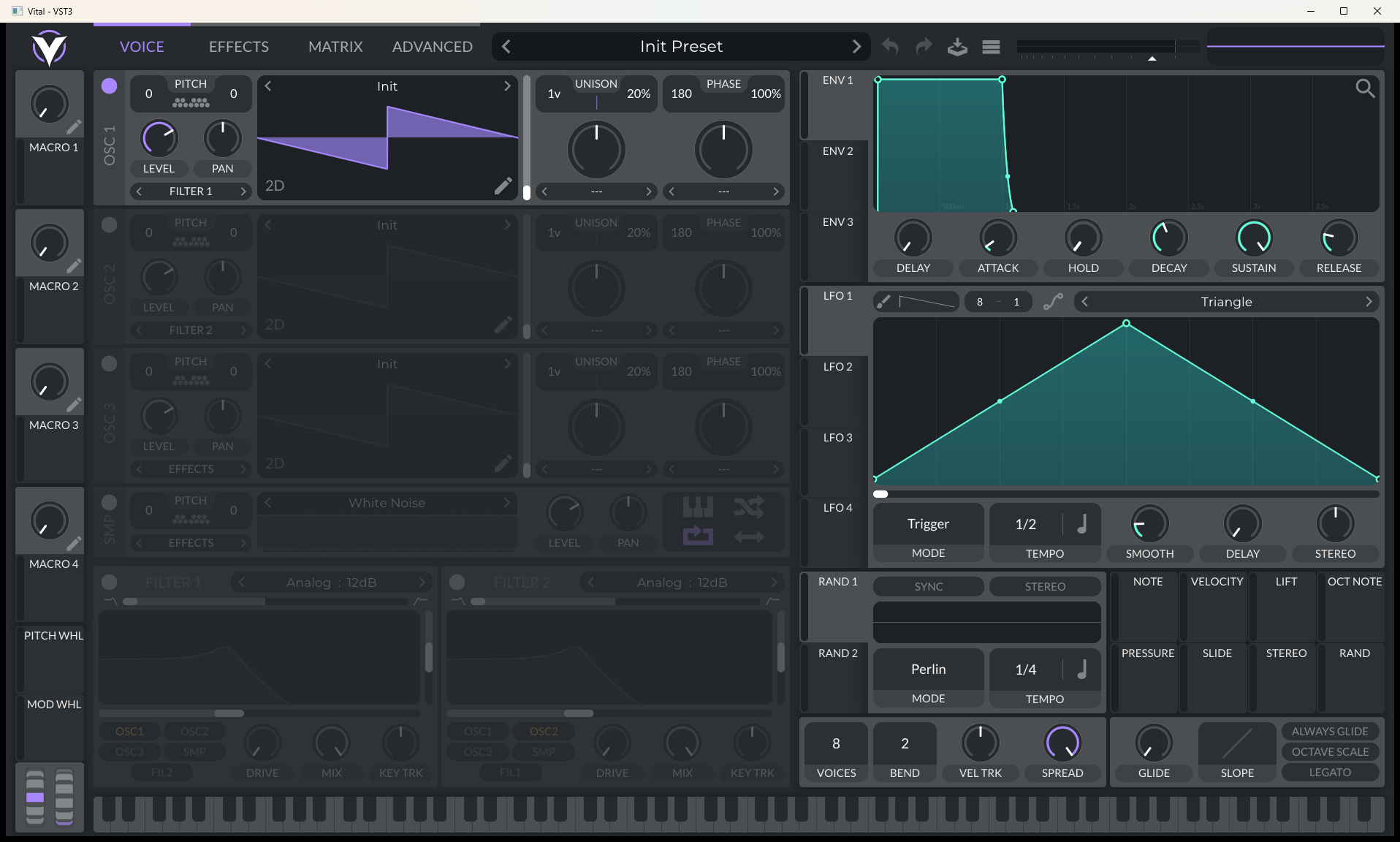
The last DAW post gave every track a persistent mixing bus with live gain, mute, solo, and a delay/reverb chain. Every sound on those buses still came from the same place: a handful of fundsp oscillators and drum voices…
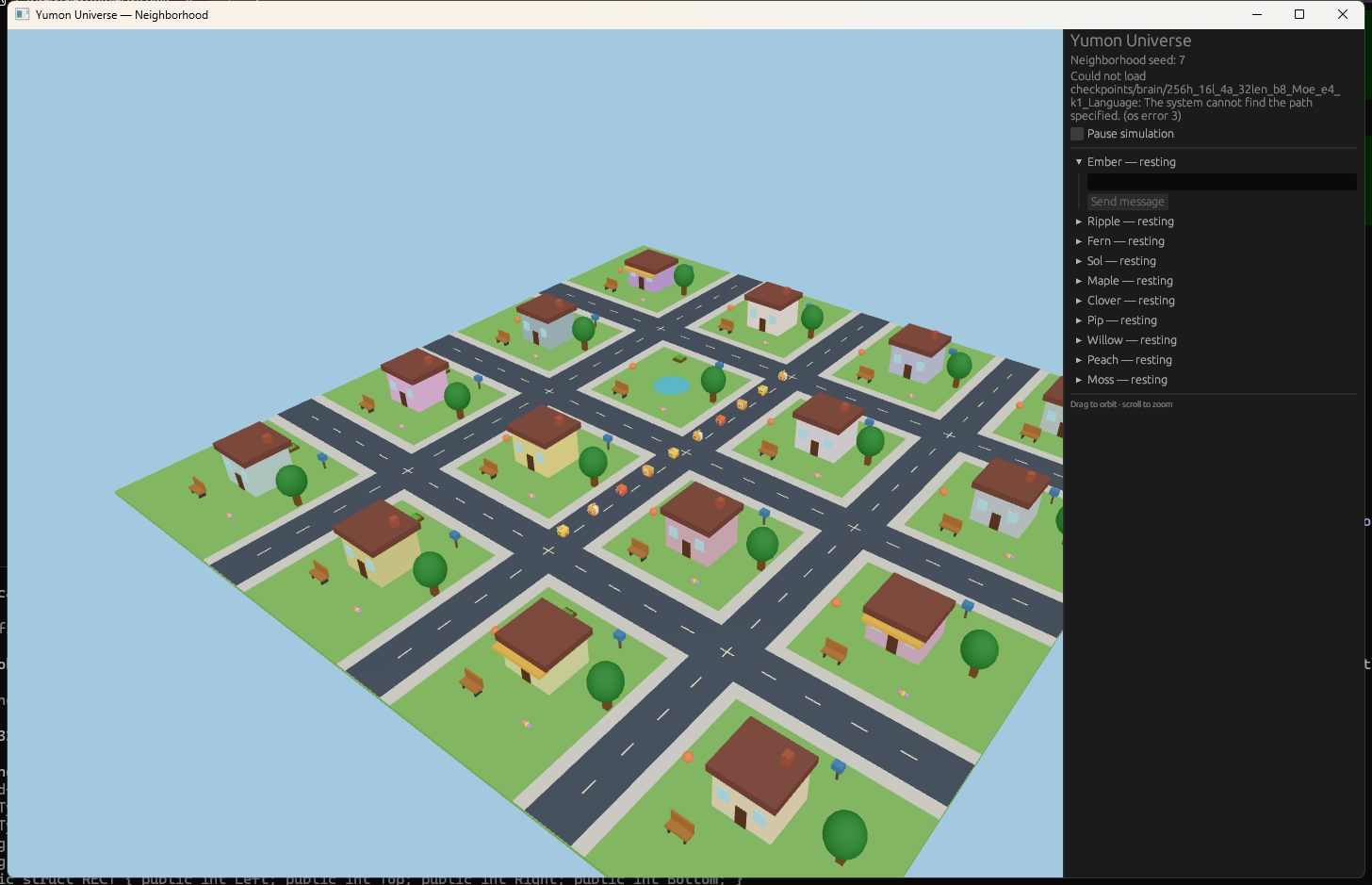
Yumon Universe (src/universe.rs, src/bin/yumon_universe.rs) drops ten Yumons into a seeded procedural world and lets them decide what to do next from a plain-text reply their own checkpoint generates. No prior post has…
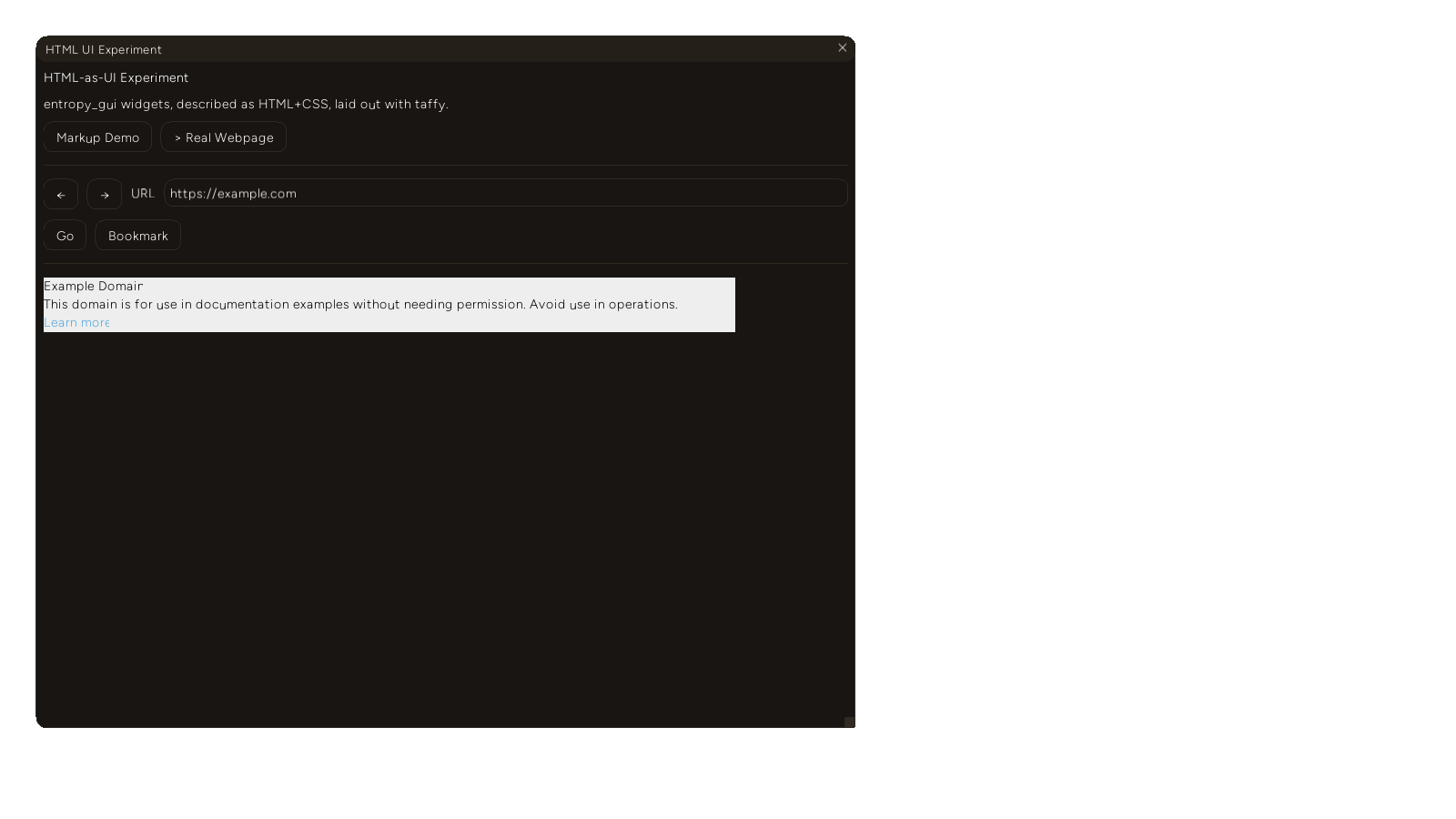
Every UI-verification post in this series up to now has ended the same way: bring the real window to the foreground, screenshot it, and if a click was needed, fire a synthetic user32.dll mouse_event at hardcoded…
The HTML/CSS renderer post got Entropy to the point of fetching one real page and laying it out through taffy. What it couldn't do was act like a browser: Entropy.Net.getText blocked the calling frame until the fetch…
Part 3 made Canvas Surfaces paintable planes, boxes, cylinders, and spheres. That still left a very physical limitation: ink could decorate a surface, but it could not remove one. A hand-drawn window in a wall was still…
Today's #1 Product Hunt launch is Weave Router 2.0, a model router built specifically for coding agents. Its pitch is straightforward: keep Claude Code, Codex, or Cursor as the client, place a proxy in front of it, and…
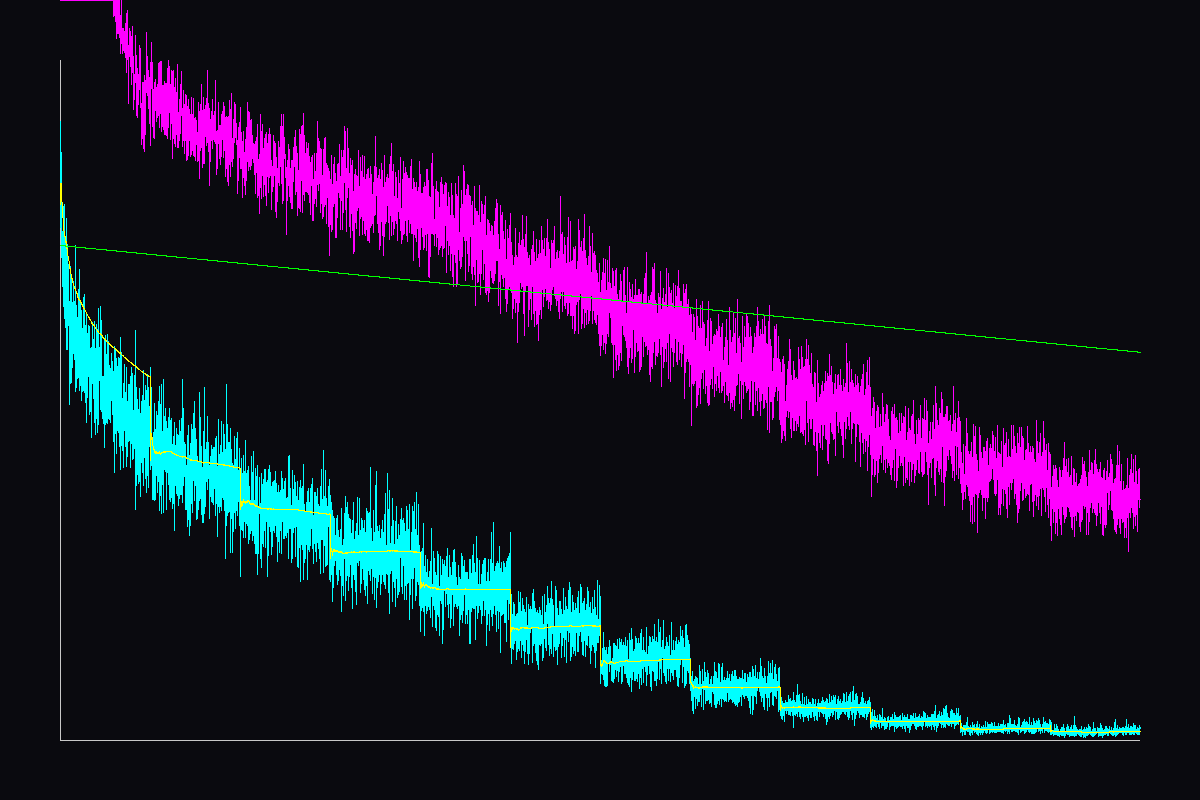
The previous post closed out twelve xLSTM runs with zero checkpoints worth shipping - the lowest-loss one was stuck in an exact repetition loop, and none of the twelve made it to their planned 15 epochs. Same day, the…
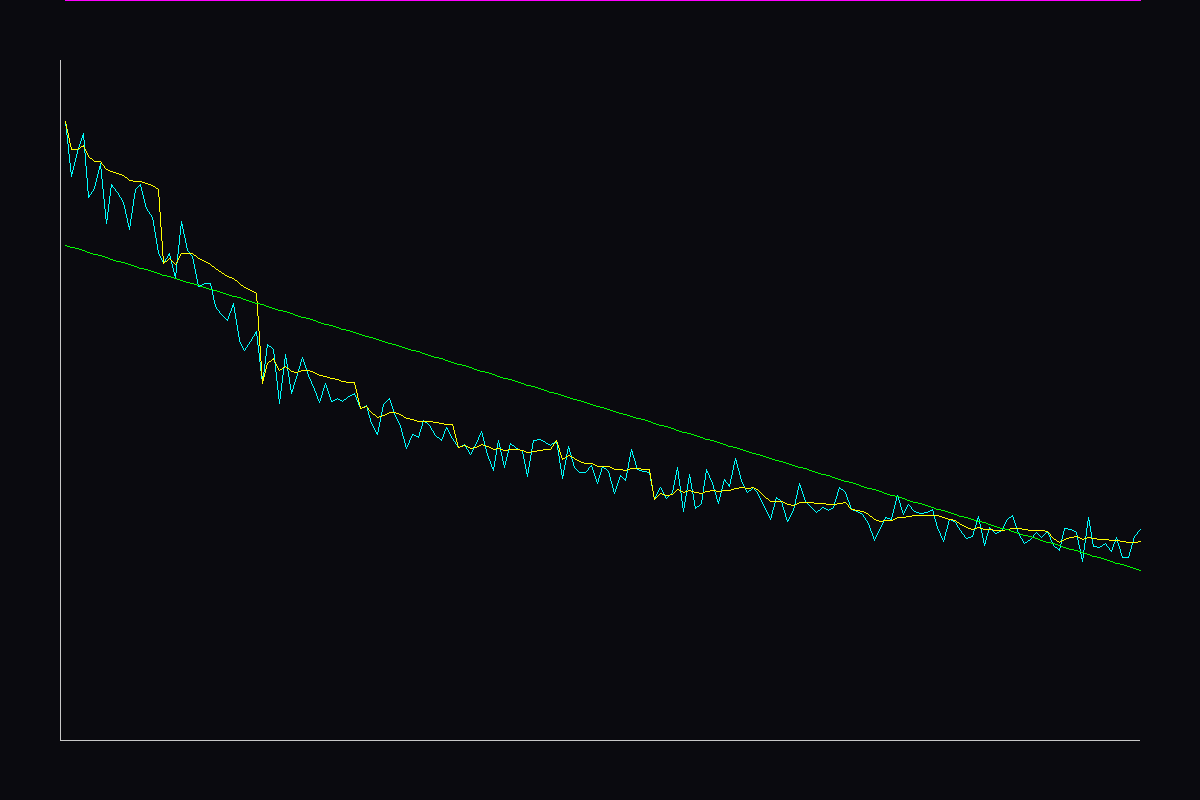
The last Yumon Pet post found that the lowest-loss checkpoint in the repo produced the worst prose of three. That was one architecture (DecoderOnly, plain causal attention) at three sizes. This post is a new…
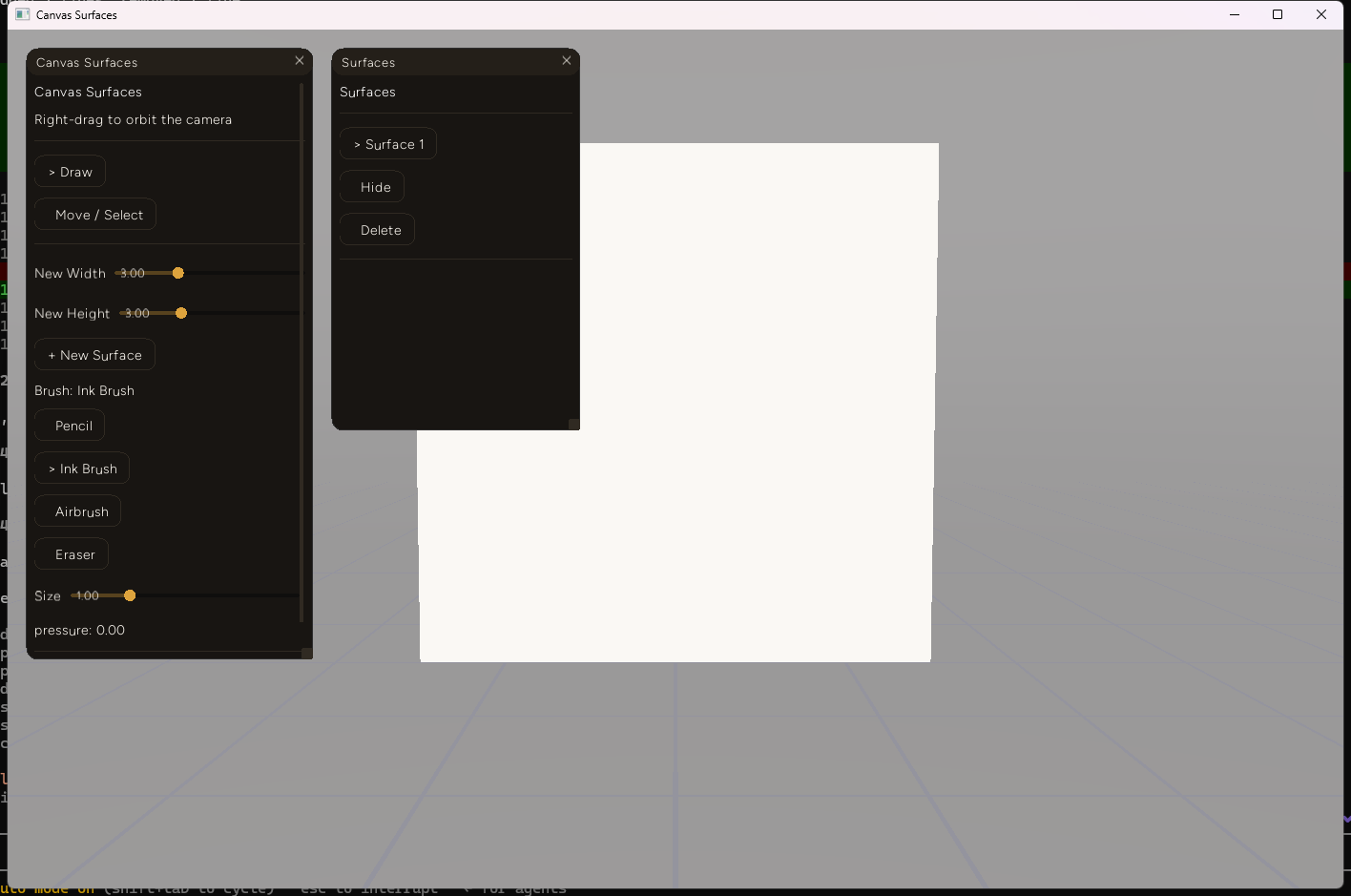
Part 1 shipped Canvas Surfaces as a single flat quad per surface - four vertices, a private painted texture, move it with a gizmo or sliders. That post's own "what's next" section named the gap directly: a flat quad has…
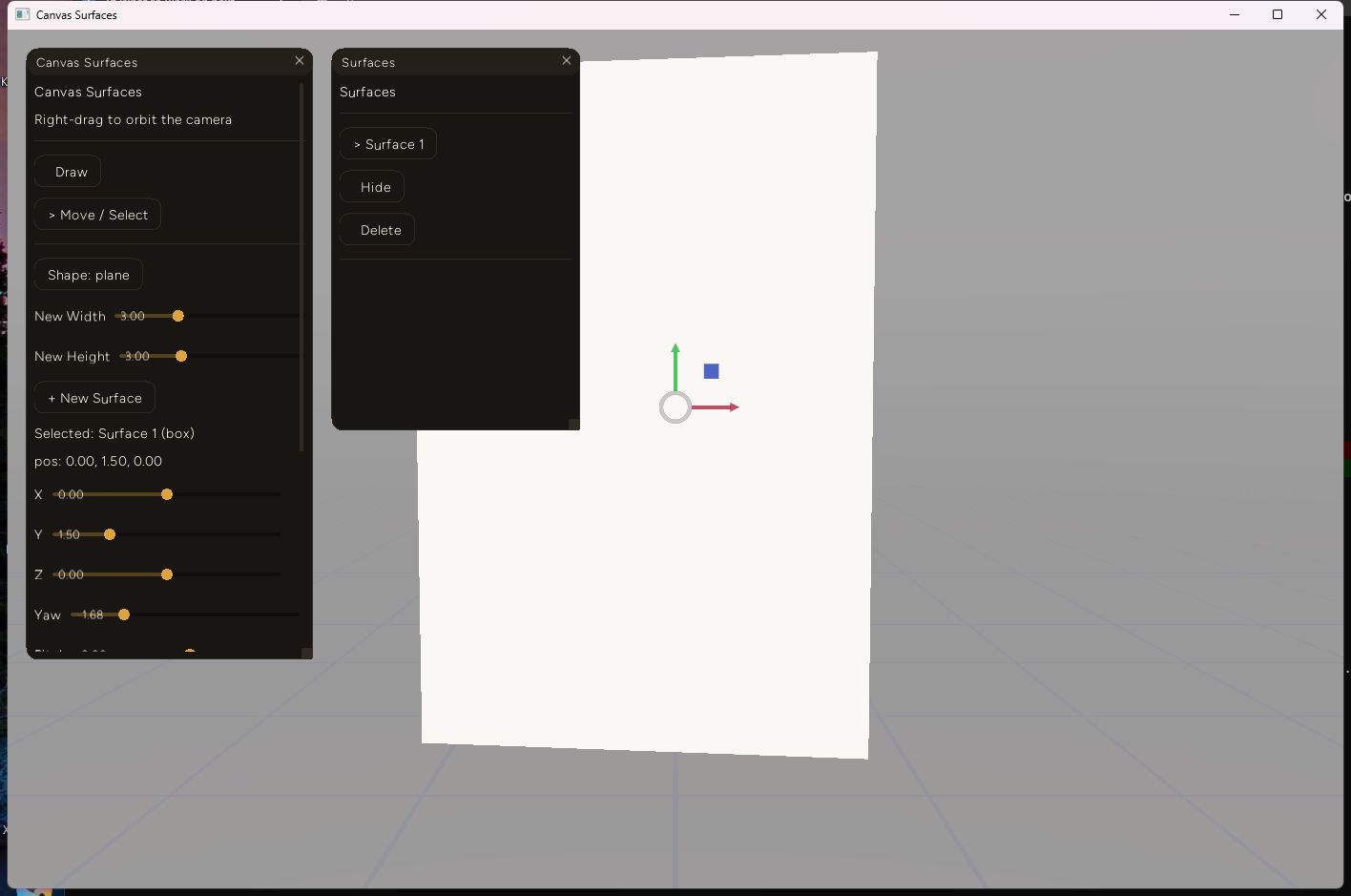
Every Canvas Surface so far has been a flat rectangle, bent or not. Part 2 closed the bend/raycast gap the epic's own backlog named, but it left the shape itself alone - a page, still. This post adds three more: box,…
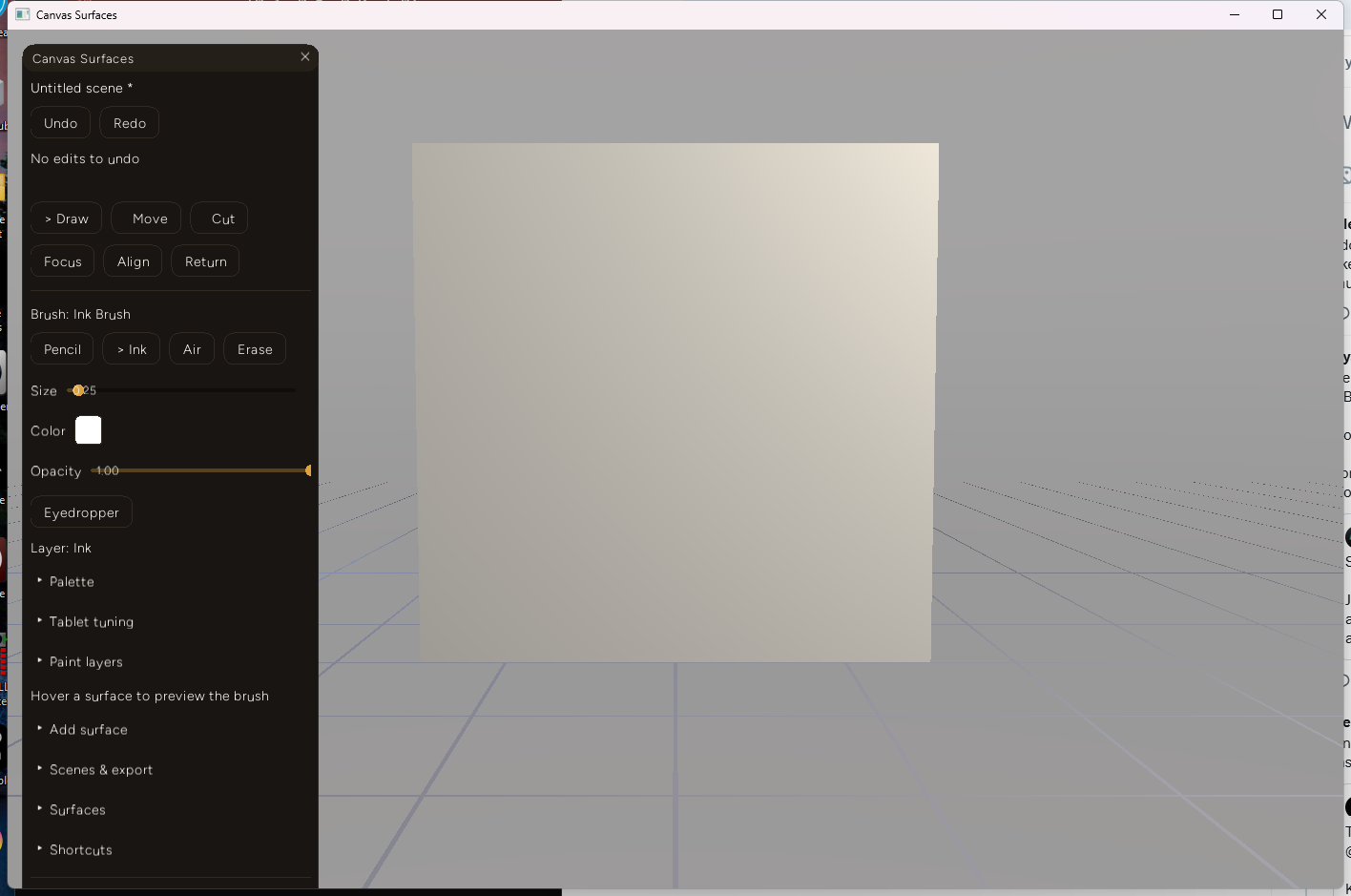
Canvas Surfaces already had a color input. It just wasn't a real one. Clicking the swatch cycled through six hardcoded presets - white, red, green, blue, yellow, near-black - and the widget's own doc comment said so…
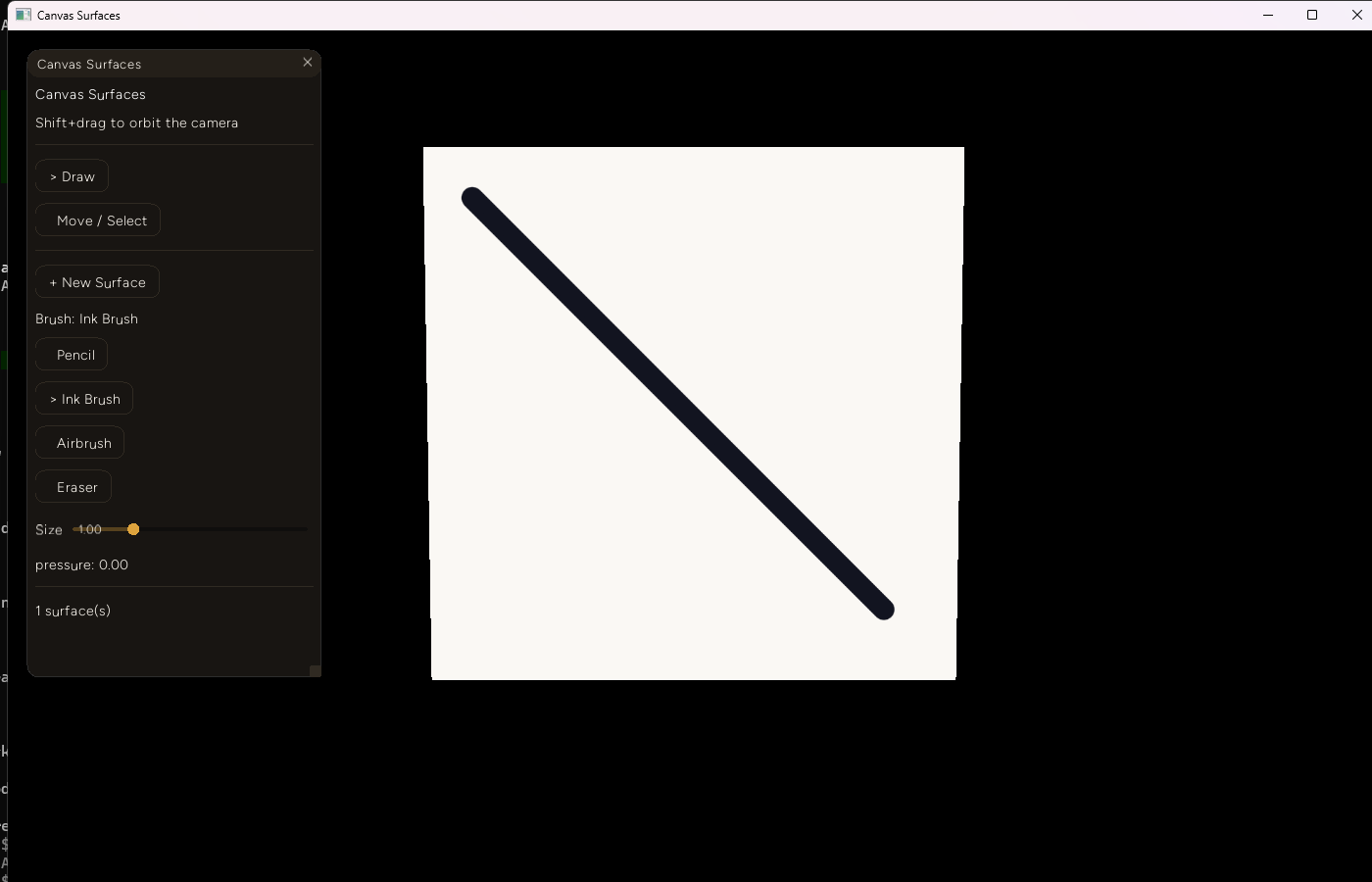
Cuphead's animation was painted frame by frame in real ink and watercolor, run through traditional cel-animation techniques, before anything touched a computer. Okami built an entire mechanic, the Celestial Brush,…
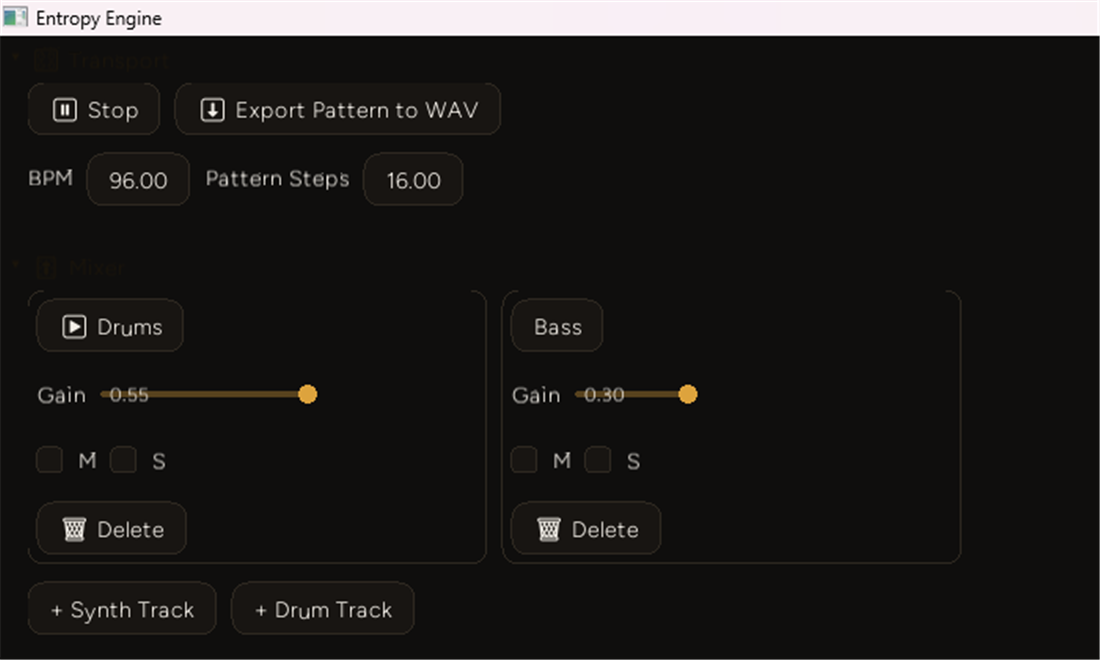
The last DAW post ended with every note in Entropy's step sequencer getting its own detached rodio::Sink, its own fundsp graph, and its own private delay/reverb instance - fire-and-forget, no bus, no shared state. That…
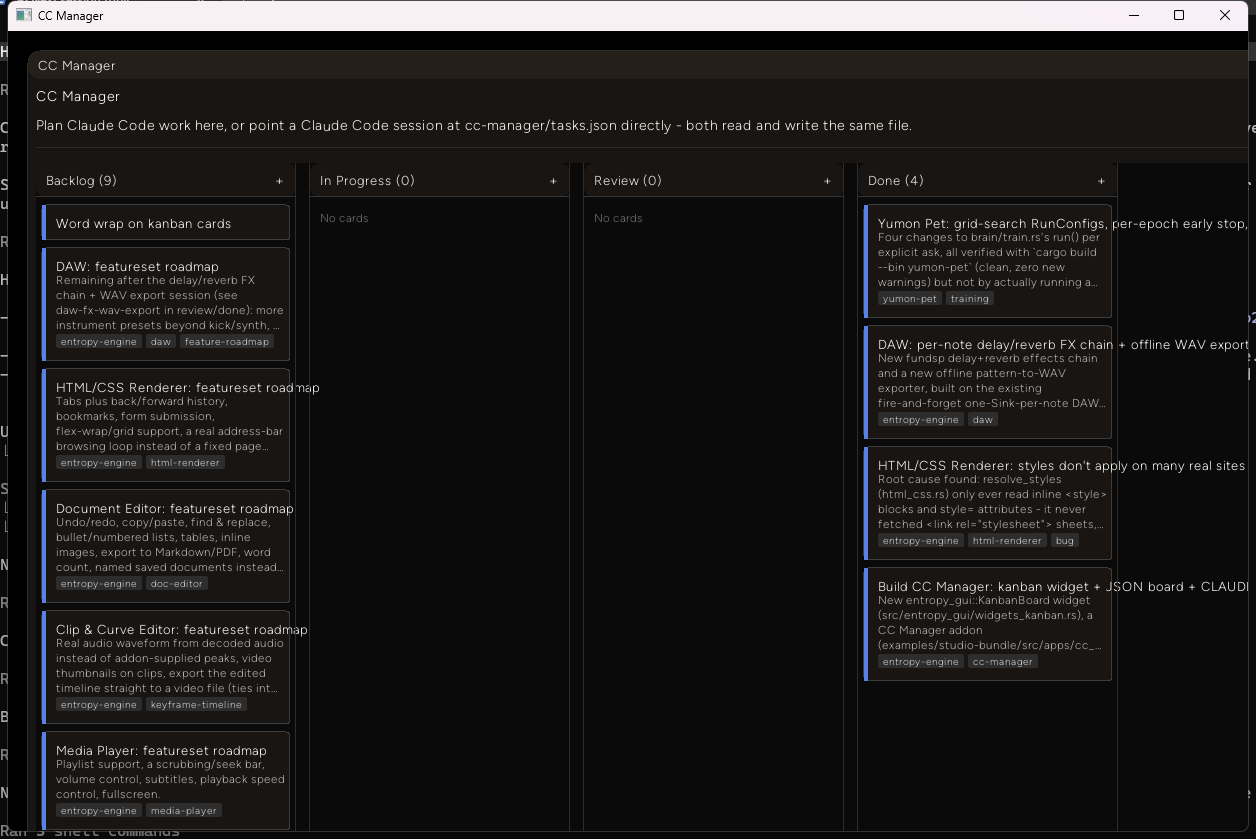
Most entropygui widgets in this series exist to prove a rendering or interaction technique. This one exists because we needed it: this repo's own Claude Code planning work has to live somewhere, and "somewhere" turned…
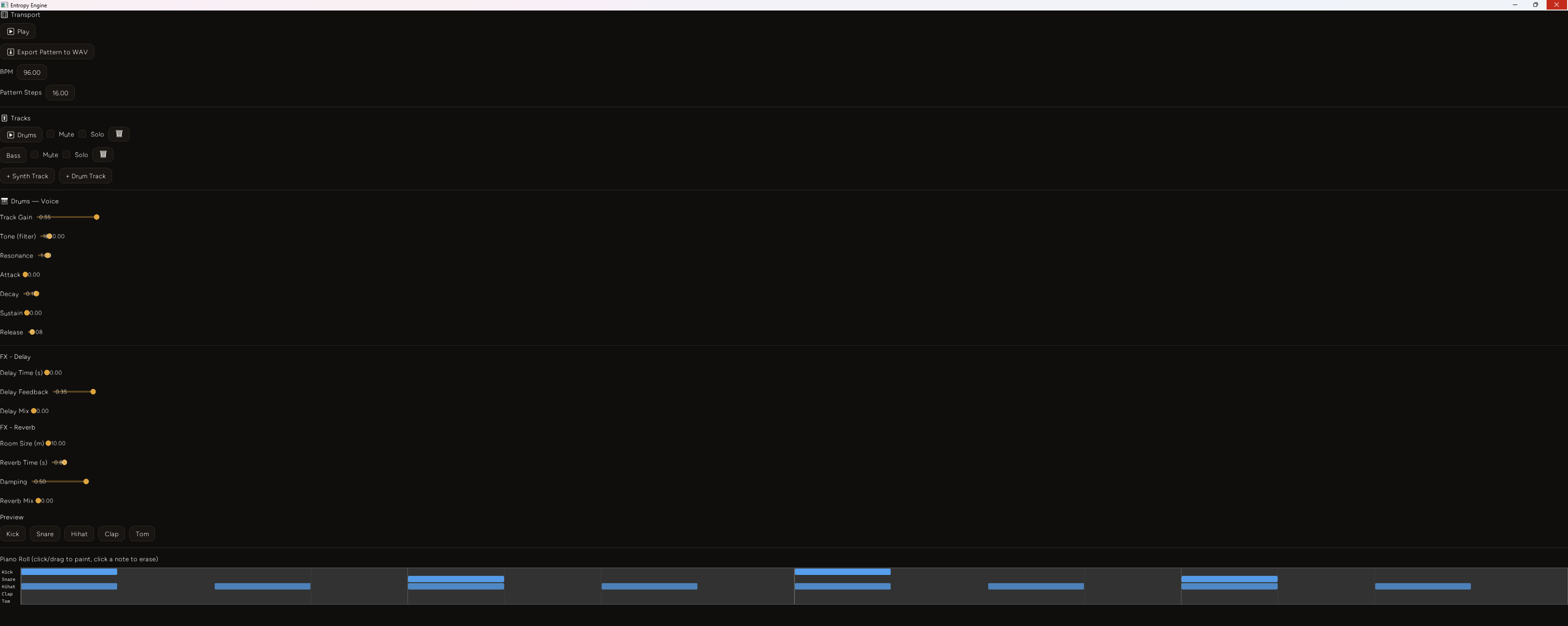
Entropy's DAW addon (dawsynthaddon.ts, a step sequencer with a built-in synth and drum kit) plays every note the same way: AudioEngine::play_note builds a fundsp signal graph for that one note, wraps it in a detached…
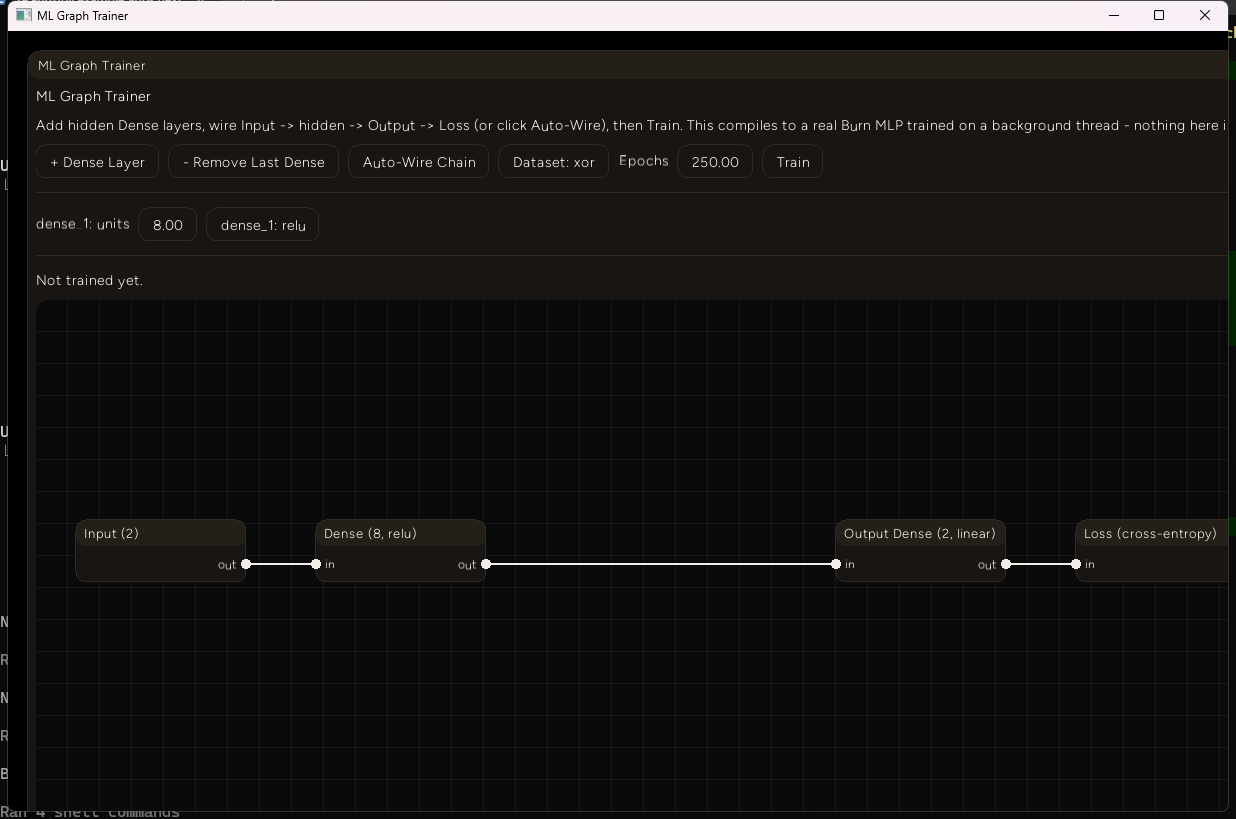
Every Burn model in this codebase up to now has been a fixed Rust struct. crate::yumon::system::BrainModel is Lstm -> Dropout -> Dense -> two heads, hand-written, known at compile time. That's normal for Burn - a…
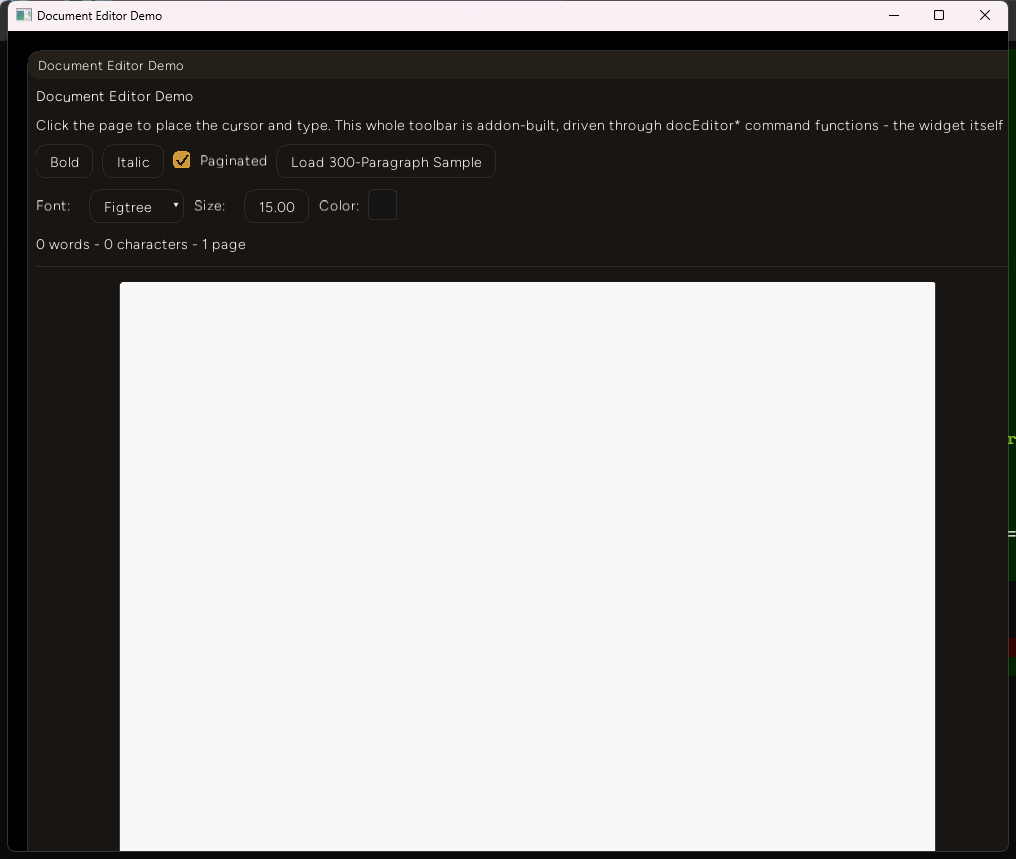
Entropy's addon-facing UI kit already had real multi-line text (texteditmultiline) and a line-numbered codeeditor, but nothing that behaves like a word processor: fixed page dimensions, margins, content that flows and…
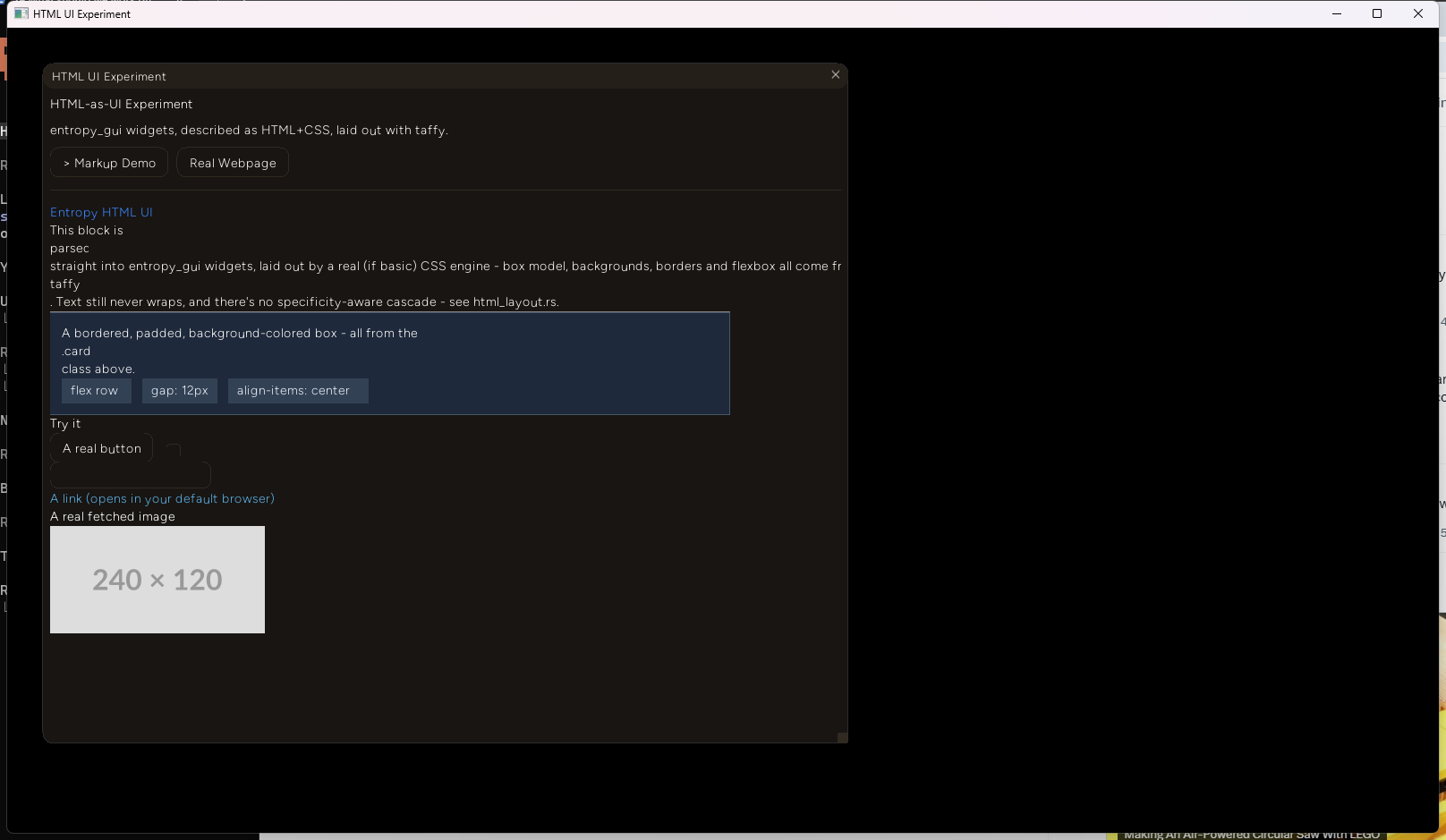
Entropy addons build UI by calling Entropy.UI.Widget. once per widget from TypeScript - a label here, a button there, entropygui renders whatever the addon called this frame. This post adds a second way to describe that…
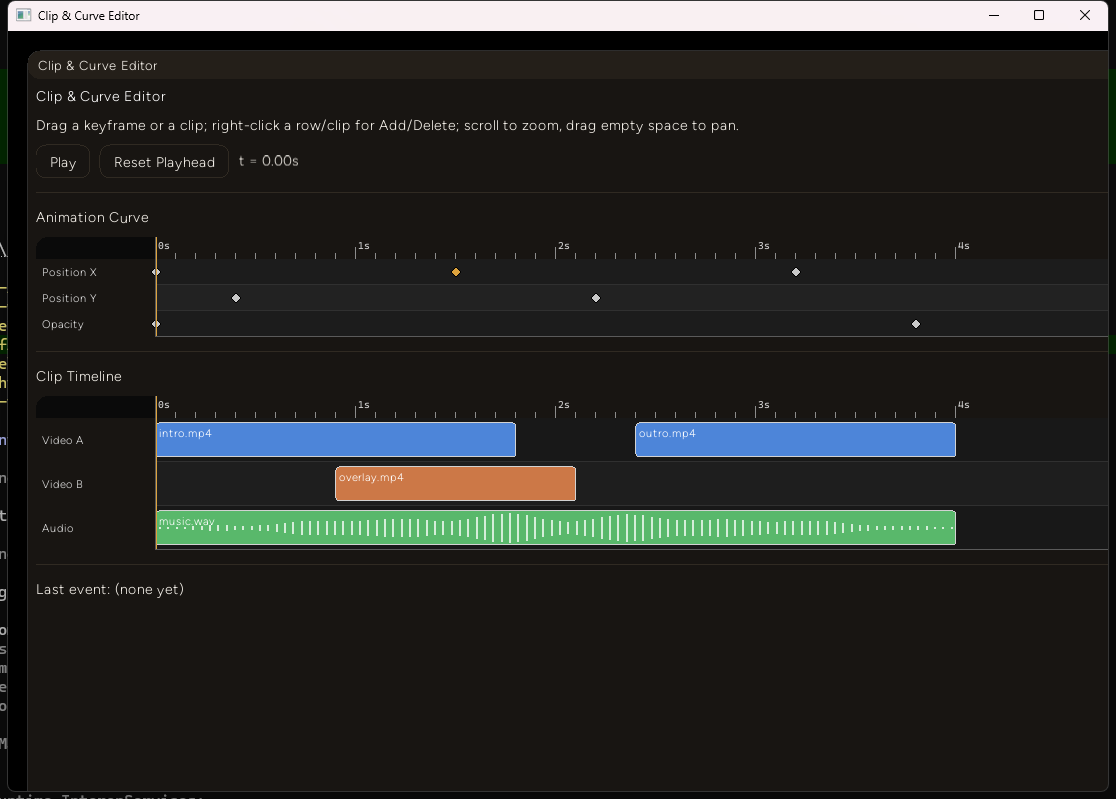
entropy_gui already had two addon-facing widgets built for a specific domain and then generalized: NodeGraphEditor (behavior-graph editing) and PianoRoll (the DAW). This post adds two more of the same shape, both aimed…
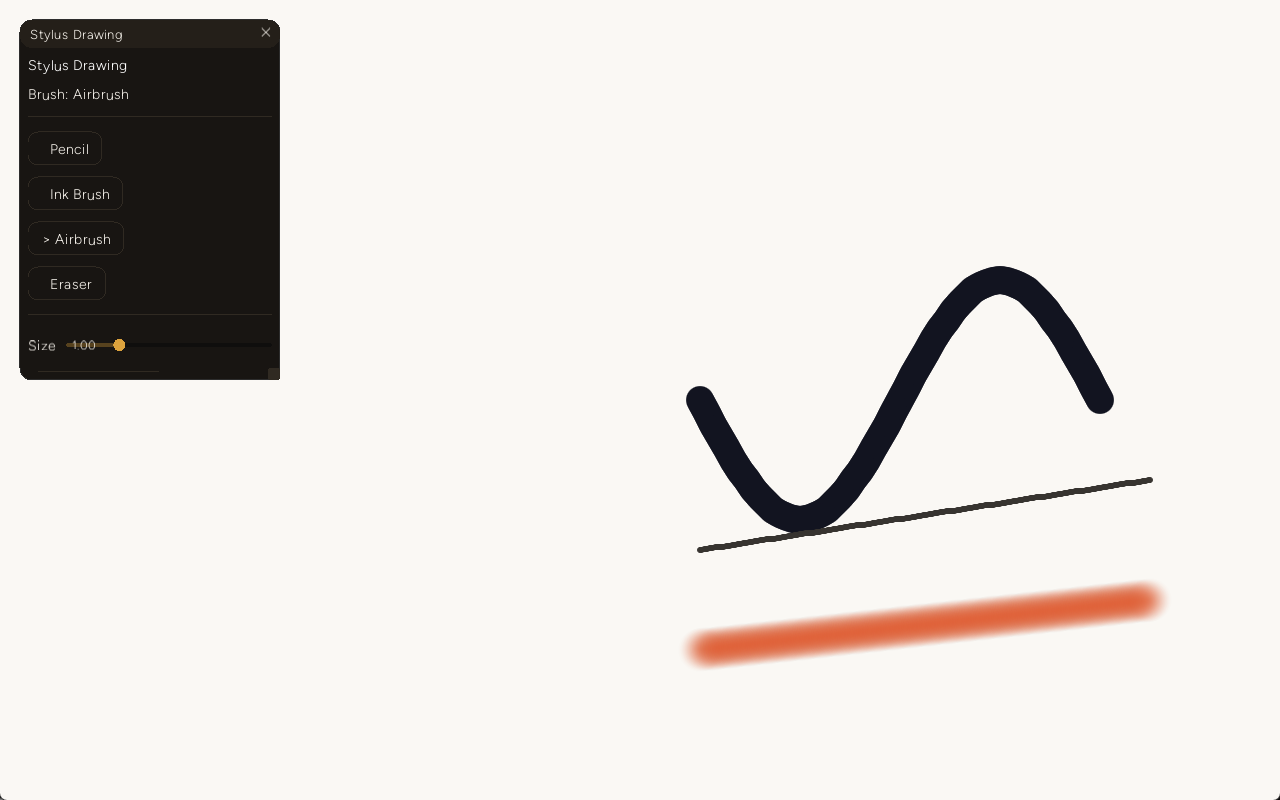
A new example, stylus-drawing: a pressure- and tilt-aware drawing app with four brushes, built entirely on Entropy's addon API. cargo run --release --bin example -- stylus-drawing gets you a 1280x800 canvas, a Pencil,…
Entropy has had a src/videoexport/ directory since the very first commit that pulled pieces of older engines together. What it actually had, on inspection, was: a FrameCaptureBuffer that correctly does a GPU…
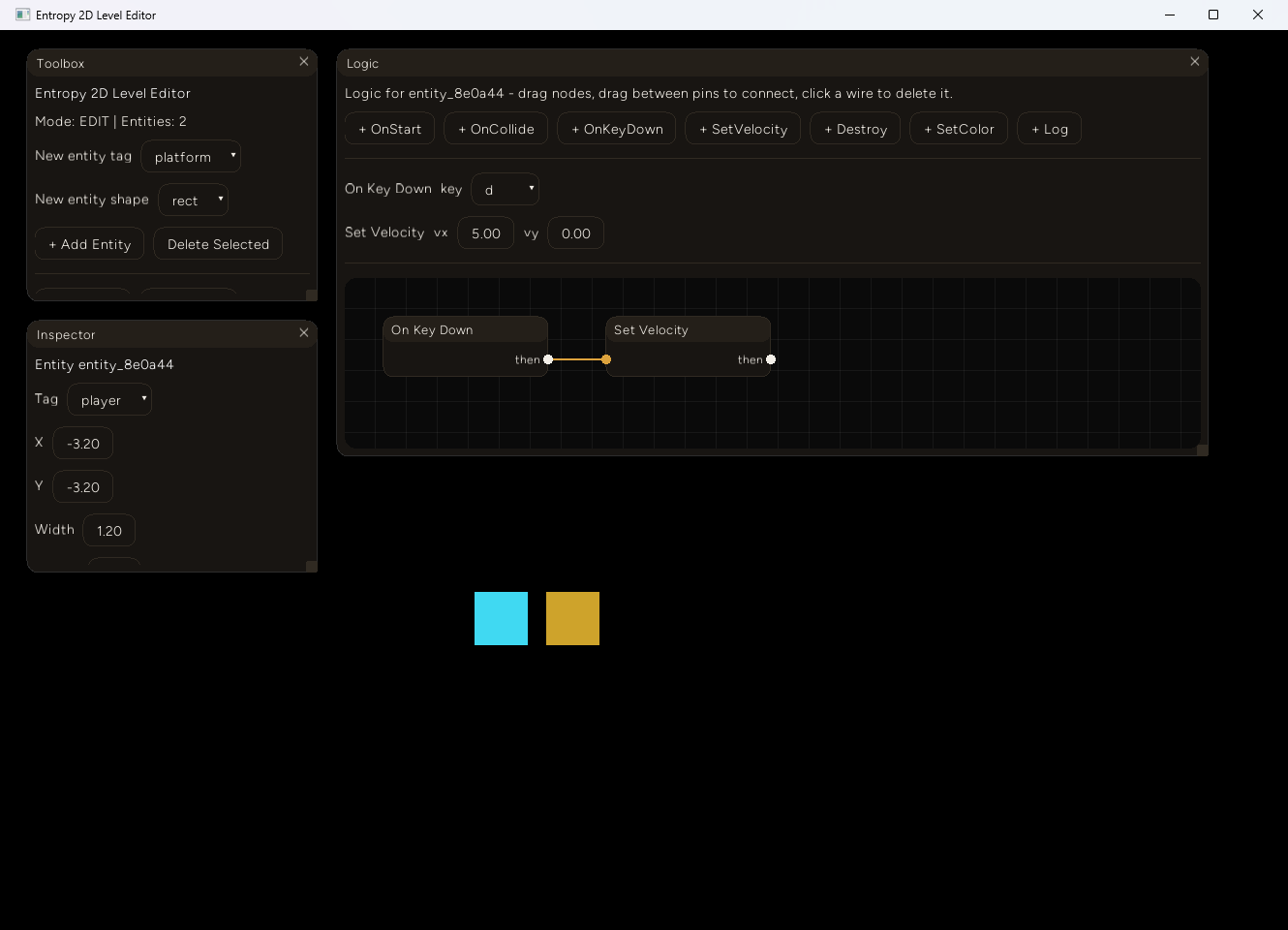
A real level editor. Place entities, drag them around, edit their properties, attach behavior with the same node-graph widget Entropy already uses for 3D behavior graphs, save the level to disk, load it back, and…

src/mcp/mod.rs has been sitting in this codebase for a while: a small MCP (Model Context Protocol) server, spawned unconditionally by every Editor, that exposes whatever tools an addon registers with registerTool() over…
Today's #2 on Product Hunt is OpenObserve's AI Observability, sitting at 272 points with the tagline "AI-native, open-source Datadog alternative." OpenObserve itself is a 21.7k-star, Rust-built observability platform…
Yumon Pet trains a small decoder-only transformer from scratch in Rust, using burn for the model and cubecl's Wgpu runtime for the flash-attention kernel. The repo has been through a dozen training runs at different…
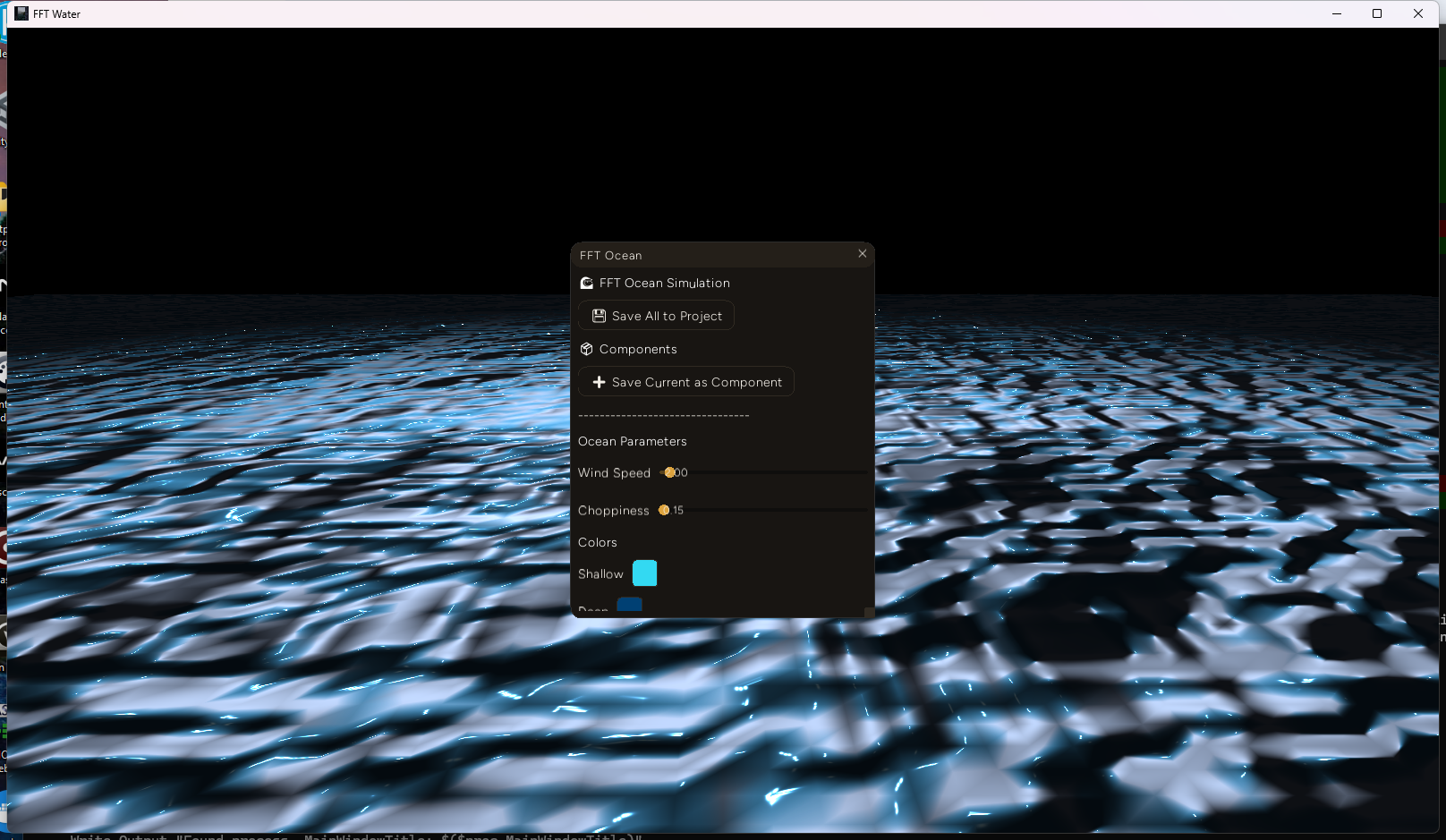
Addons run inside a single embedded denocore::JsRuntime (src/deno/addonengine.rs:390) - one V8 isolate, created once at startup, alive for the process's whole life. Every existing way to get code into it either only…
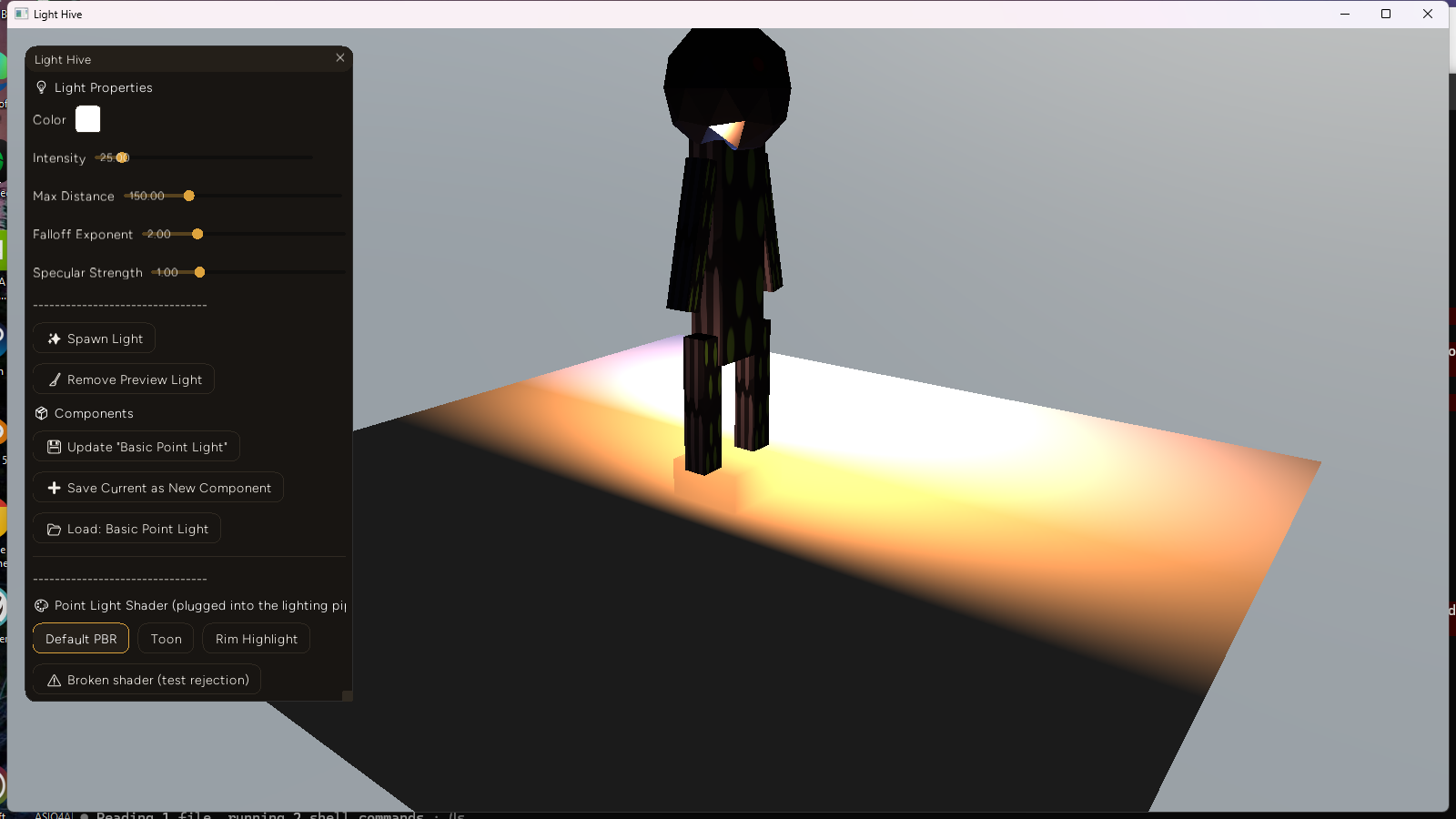
Light Hive is Entropy's point-light addon. Before this session it did exactly two things: color and intensity. No standalone example existed for it - it only ever ran embedded inside Studio's Game Composer. This post…
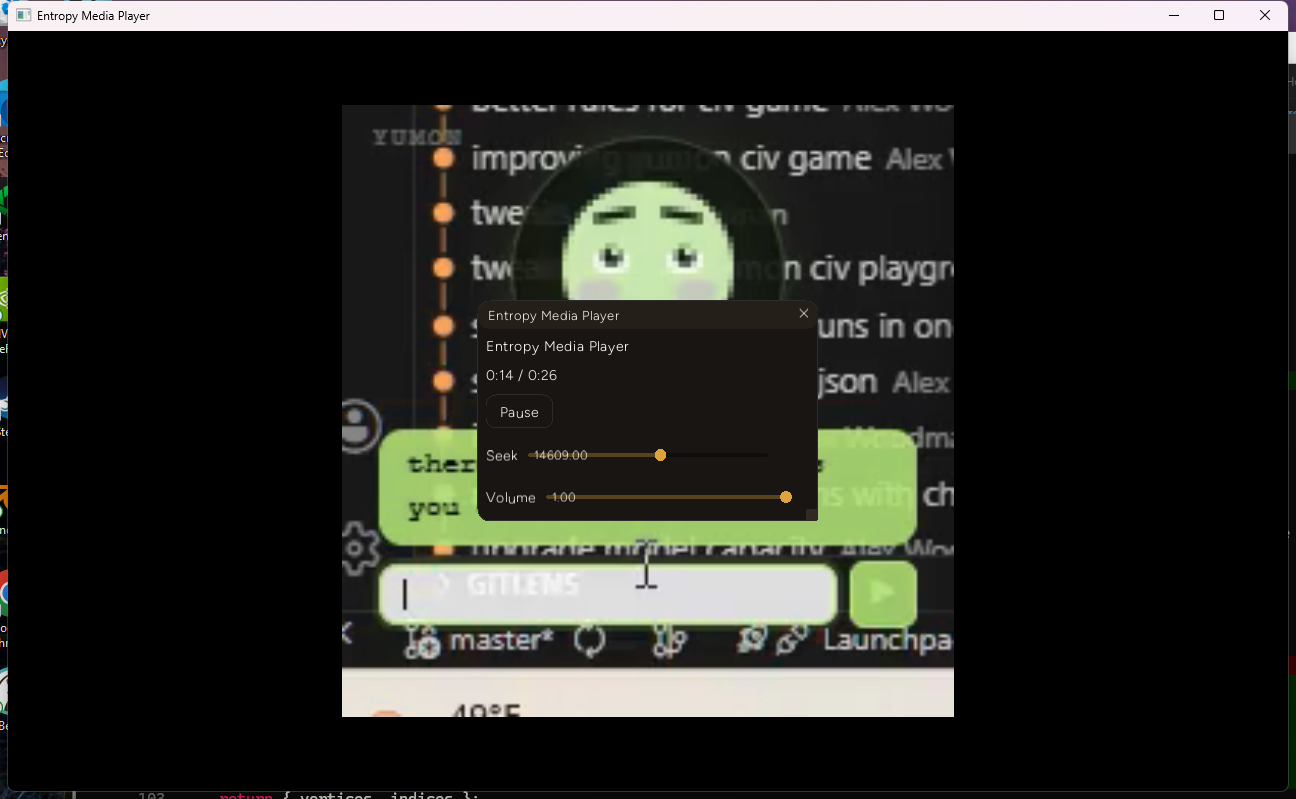
Entropy already had a Media Foundation video decoder - src/renderervideos/stvideo.rs, built for the editor's own timeline. What it didn't have was audio decode of any kind, or any way for a standalone EntropyApp (as…
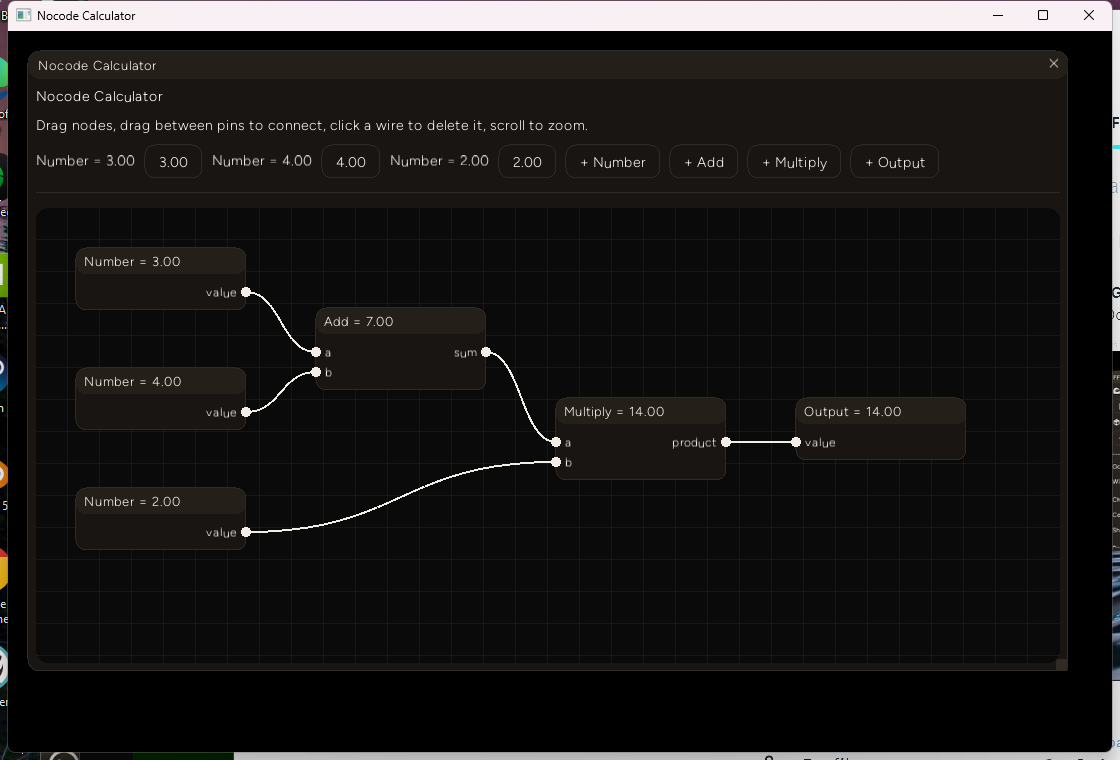
When entropygui replaced egui/egui-snarl as the editor UI's foundation, one widget didn't survive the move: the node graph editor. egui-snarl's SnarlViewer needs a real &mut egui::Ui to draw pin-dragging, bezier-curve…
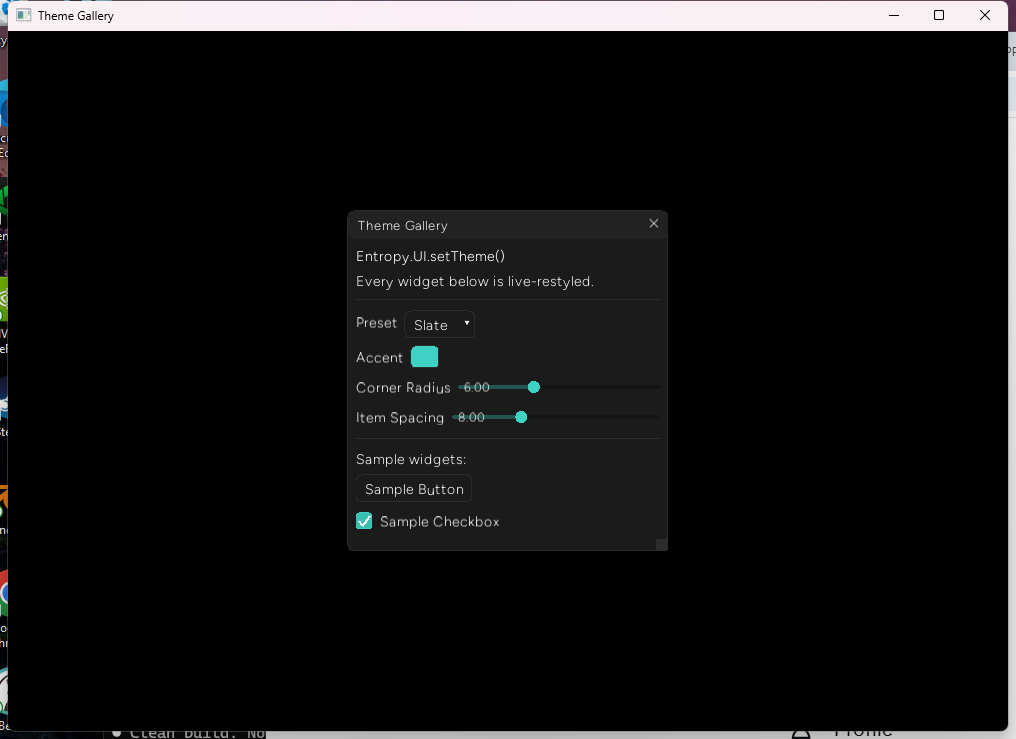
entropygui, the in-house immediate-mode kit that replaced the whole egui family a couple posts back, already had a real Style/Visuals system (src/entropygui/style.rs) and a Context::setstyle that swaps it at runtime.…
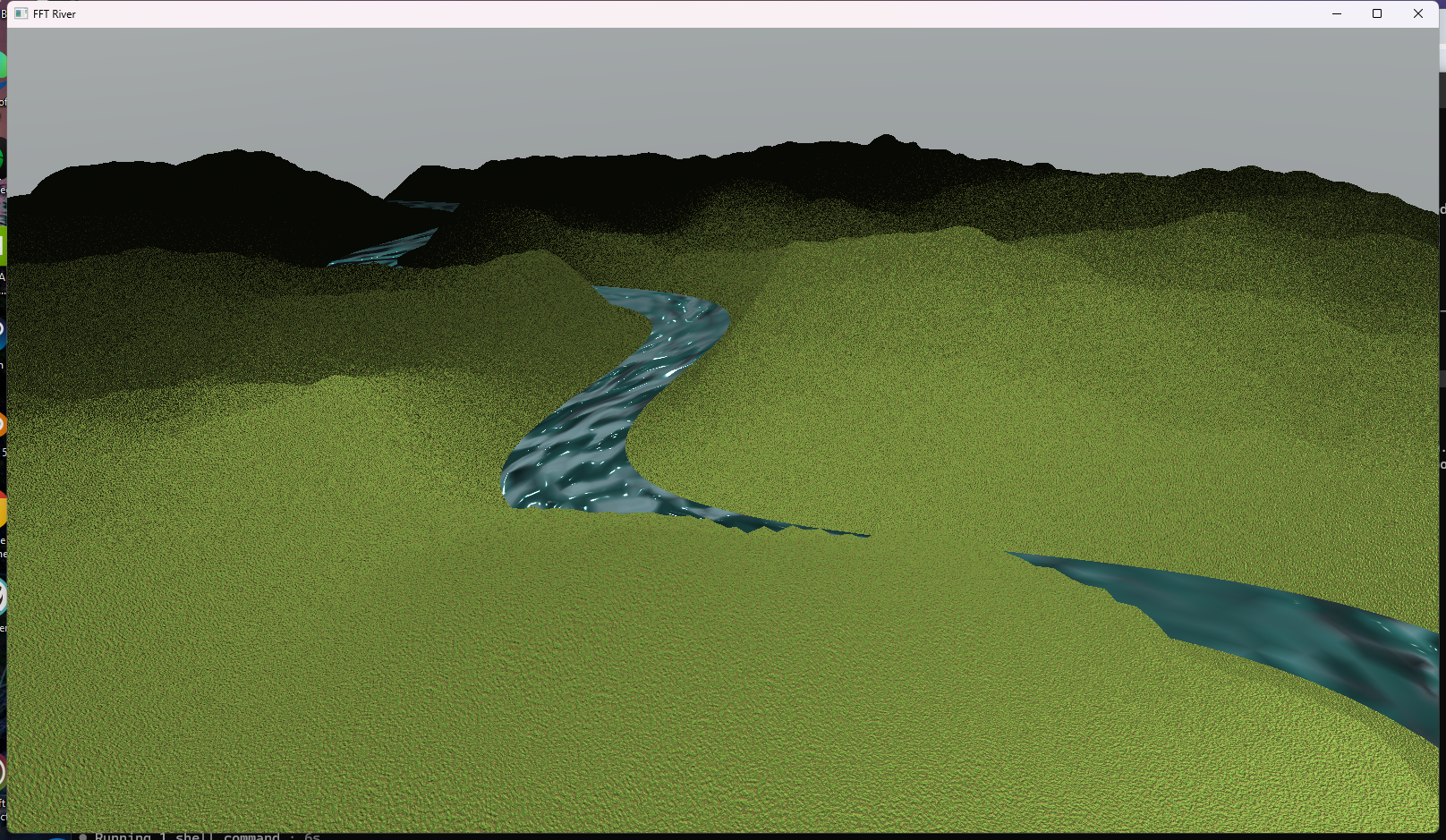
The FFT ocean addon generates its wave spectrum with Phillips - open-water physics, tuned for wind blowing across a large fetch. A river channel isn't that: the wind can only act on the water across the width of the…
Today's #1 on Product Hunt is Mastra Factory, sitting at 303 points with the tagline "From issue to production, run by agents." Mastra (the TypeScript AI framework, YC W25, 27.9k GitHub stars) has launched on PH three…
Entropy is moving from "a game engine you fork and hack on" toward "a framework you depend on and ship your own app with" - that's the whole point of EntropyApp, the embedding entrypoint added a few posts back. But a…
Entropy Studio's example bundle has an FFT ocean addon: a Phillips-spectrum height field, evolved in the frequency domain and brought back to real space with a GPU-side Cooley-Tukey FFT, textured onto a displaced mesh…
The last post on the FFT ocean addon ended by scoping interactivity out on purpose: nothing in that pipeline read from or wrote to the world, it was a closed loop from spectrum to displacement. This post closes that gap…
Today's Product Hunt front page is mostly the usual shape: AI sales reps, AI growth managers, AI agents that live in Slack. The one I picked out is Relaticle, an open-source CRM, currently sitting at #6 for the day with…
Entropy Engine's entire editor chrome - app shell, docking, panels, every widget, a hand-rolled video timeline, the JS-addon UI system - ran on egui + egui-wgpu + egui-winit + eguidock, plus egui-snarl for a node-graph…